


NEWS CENTER
Mini Water Borehole Rigs: Revolutionizing Agricultural Efficiency
Dec 12,2025
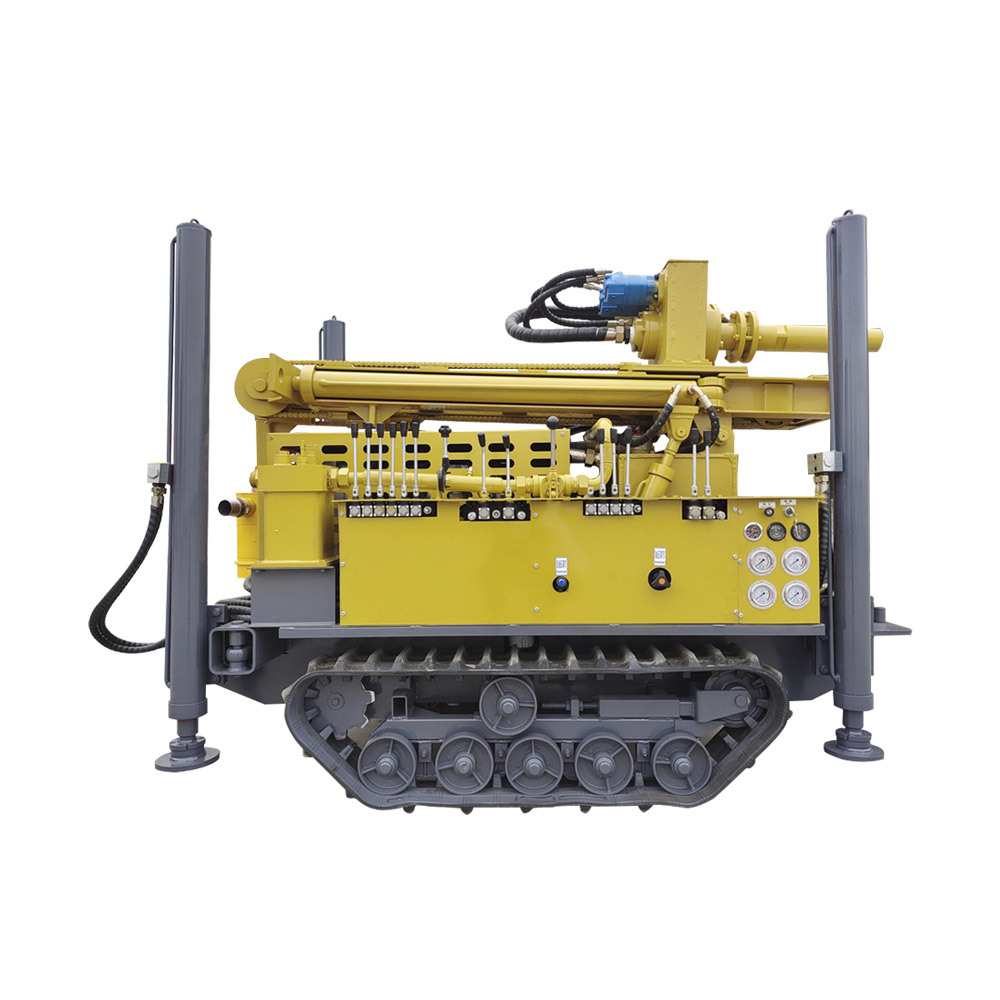
Mini Water Borehole Rigs: Revolutionizing Agricultural Efficiency
Table of Contents
- Introduction to Mini Water Borehole Rigs
- Benefits of Using Mini Water Borehole Rigs in Agriculture
- Applications of Mini Water Borehole Rigs
- Technology Behind Mini Water Borehole Rigs
- Operational Procedures for Mini Water Borehole Rigs
- Maintenance and Care of Mini Water Borehole Rigs
- Best Practices for Using Mini Water Borehole Rigs
- Conclusion
- FAQs About Mini Water Borehole Rigs
Introduction to Mini Water Borehole Rigs
In the evolving landscape of agriculture, efficient water management is crucial for sustainable farming practices. **Mini water borehole rigs** have emerged as innovative solutions, enabling farmers to access underground water sources effectively. These compact and versatile rigs allow for the drilling of boreholes in various terrains, making them ideal for small to medium-scale agricultural operations.
Mini borehole rigs not only enhance water access but also support irrigation systems that can significantly improve crop yield. They are designed with portability in mind, allowing easy transportation and operation in remote locations where water scarcity is a challenge. As we delve deeper into the advantages and applications of these rigs, it becomes evident that they play a pivotal role in modern agriculture.
Benefits of Using Mini Water Borehole Rigs in Agriculture
The implementation of mini water borehole rigs offers numerous benefits for agricultural projects. Here are some key advantages:
1. Cost-Effectiveness
Investing in a mini water borehole rig can lead to substantial savings in water usage costs. By accessing groundwater, farmers reduce their reliance on expensive surface water sources or municipal supplies.
2. Increased Water Access
Many regions face challenges related to water scarcity. Mini borehole rigs can be deployed in areas where traditional water supply systems are non-existent or unreliable, ensuring a steady water supply for irrigation.
3. Enhanced Crop Productivity
With consistent access to water, farmers can irrigate their fields more effectively, resulting in improved crop yields. This increased productivity can lead to higher profits and sustainable farming practices.
4. Environmentally Friendly
Mini water borehole rigs promote sustainable water usage by tapping into groundwater reserves responsibly. This practice minimizes the environmental impact compared to excessive surface water extraction.
5. Versatility and Mobility
These rigs are typically lightweight and compact, making them easy to transport. Farmers can use them in various locations, adapting to different agricultural needs quickly.
Applications of Mini Water Borehole Rigs
The versatility of mini water borehole rigs allows them to serve various agricultural applications, including:
1. Irrigation Systems
Mini borehole rigs are essential for establishing efficient irrigation systems. By drilling boreholes, farmers can install pumps that deliver water directly to crops, improving hydration and growth.
2. Livestock Water Supply
In regions where surface water is scarce, mini water borehole rigs can provide a reliable water source for livestock. This ensures animals have access to clean drinking water, promoting their health and productivity.
3. Fertigation
Farmers can use borehole water not only for irrigation but also for fertigation, which involves the application of fertilizers through the irrigation system. This method enhances nutrient uptake and crop growth.
4. Aquaculture
Mini water borehole rigs can also support aquaculture operations by providing water for fish farming. Access to groundwater can create optimal environments for fish breeding and growth.
Technology Behind Mini Water Borehole Rigs
The technology integrated into mini water borehole rigs is a key factor in their efficiency and effectiveness. These rigs typically come equipped with advanced drilling systems and features that facilitate easy operation.
1. Drilling Mechanisms
Most mini water borehole rigs utilize rotary drilling techniques, which involve rotating a drill bit to penetrate the ground. This method is efficient for reaching deeper water tables while minimizing disruption to the surrounding soil.
2. Power Source
Many modern mini borehole rigs are powered by diesel or electric engines, offering versatility depending on the operational environment. Some models even incorporate solar power, making them environmentally friendly and reducing operational costs.
3. Depth and Diameter Control
Advanced controls allow operators to adjust the depth and diameter of the boreholes being drilled. This precision is essential for accessing specific water layers and ensuring optimal water extraction rates.
Operational Procedures for Mini Water Borehole Rigs
To maximize the benefits of mini water borehole rigs, understanding the operational procedures is critical. Here are the steps involved in efficiently using these rigs:
1. Site Assessment
Before drilling, it's essential to conduct a thorough site assessment. This includes analyzing soil types, identifying potential water sources, and checking local regulations regarding borehole drilling.
2. Equipment Setup
After assessing the site, the rig should be set up according to the manufacturer’s guidelines. This process typically involves stabilizing the rig, connecting the power source, and preparing the drilling tools.
3. Drilling Process
Begin the drilling process by slowly rotating the drill bit into the ground. Monitor the operation closely to ensure the rig is functioning correctly and to address any issues that may arise.
4. Water Testing
Once a borehole is established, it's crucial to test the water quality. This step ensures that the water is safe for irrigation and livestock use, helping to avoid potential contamination.
5. Installation of Pumps
After confirming the water quality, install pumping systems that will facilitate water extraction. This may include submersible or surface pumps, depending on the depth of the borehole.
Maintenance and Care of Mini Water Borehole Rigs
Proper maintenance of mini water borehole rigs is essential to ensure their longevity and efficiency. Here are some maintenance tips:
1. Regular Inspections
Conduct routine inspections to check for wear and tear on components. This includes the drilling mechanism, power source, and hoses.
2. Clean the Rig
Debris and soil can accumulate on the rig, affecting its performance. Regular cleaning of the rig will help maintain its functionality.
3. Lubrication
Keep moving parts well-lubricated to prevent rust and mechanical failure. Follow the manufacturer's recommendations regarding lubrication intervals and types of lubricants.
4. Monitor Water Levels
Regularly check the water levels in the borehole to ensure that it remains sustainable. If water levels drop, it may indicate over-extraction or other issues.
Best Practices for Using Mini Water Borehole Rigs
To optimize the use of mini water borehole rigs, consider the following best practices:
1. Train Operators
Ensure that all operators receive proper training on the equipment and drilling techniques. This knowledge minimizes the risk of accidents and enhances operational efficiency.
2. Follow Regulations
Comply with local regulations regarding borehole drilling, including obtaining necessary permits. This compliance helps avoid potential legal issues and promotes sustainable water usage.
3. Use Quality Equipment
Invest in high-quality mini water borehole rigs and components. Quality equipment can significantly impact performance and longevity.
4. Implement Water Conservation Practices
Adopt water conservation strategies, such as drip irrigation or rainwater harvesting, in conjunction with borehole usage. This holistic approach will maximize water efficiency.
Conclusion
Mini water borehole rigs are transforming the efficiency and sustainability of agricultural projects. By providing reliable access to groundwater, these rigs enable farmers to optimize irrigation practices, increase crop yields, and promote environmental stewardship. As the agricultural sector faces increasing challenges, the adoption of innovative tools like mini borehole rigs will play a critical role in advancing sustainable farming solutions. Investing in these technologies not only enhances productivity but also supports the broader goal of ensuring food security for future generations.
FAQs About Mini Water Borehole Rigs
1. How deep can mini water borehole rigs drill?
Mini water borehole rigs typically drill to depths of 50 to 200 meters, depending on the specific model and local geological conditions.
2. What is the average cost of a mini water borehole rig?
The cost of mini water borehole rigs can vary widely based on features and capabilities, generally ranging from $5,000 to $30,000.
3. Do I need a permit to drill a borehole?
Yes, most regions require permits for borehole drilling. Always check local regulations before proceeding.
4. Can mini water borehole rigs be used for residential purposes?
Absolutely! Mini water borehole rigs can also be effective for residential water supply and landscaping irrigation.
5. What maintenance is required for mini water borehole rigs?
Routine inspections, cleaning, lubrication, and monitoring of water levels are essential maintenance practices to ensure optimal operation.




ONLINE MESSAGES
Add.: Industrial Park Area, Mengyin, Linyi, Shandong, China
Tel: Jean 86-15963257090
John 86-15966923349