


NEWS CENTER
The Comprehensive Guide to DTH Water Well Drilling Rigs: Uncovering the Essentials
Jan 17,2026
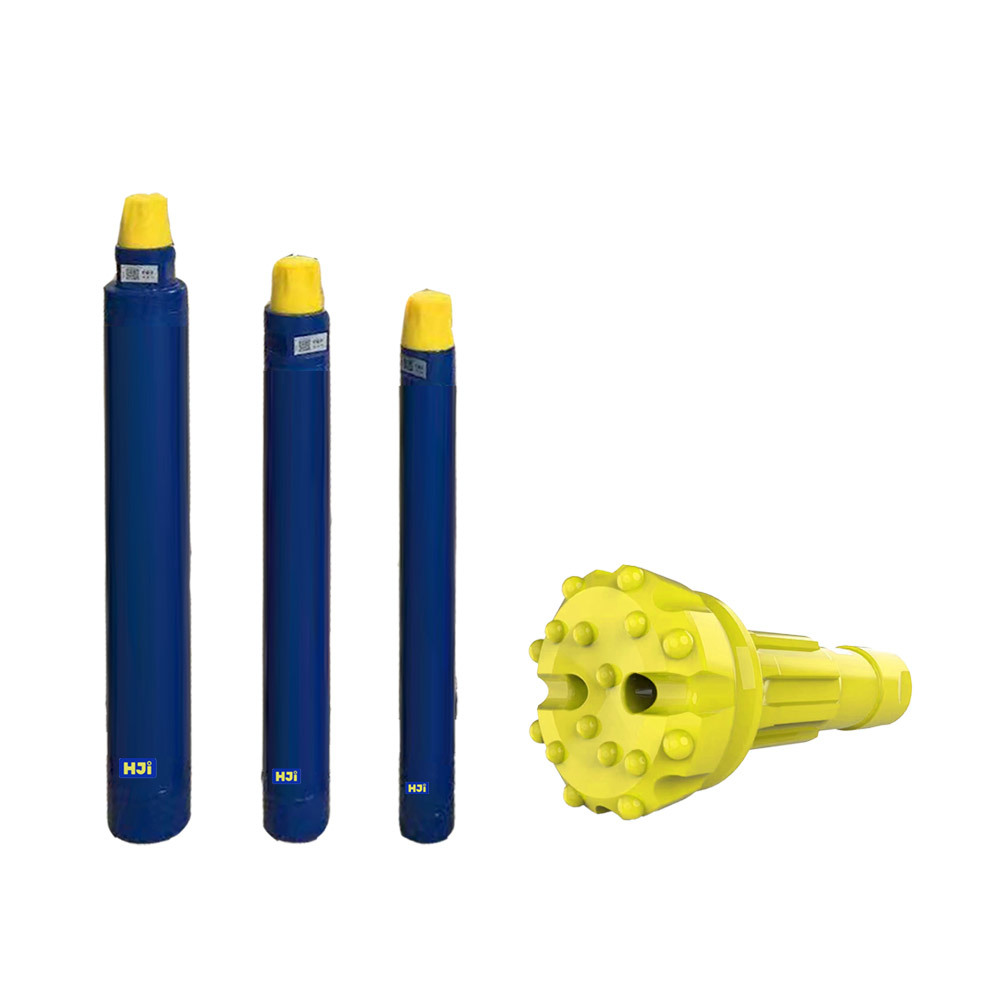
DTH (Down-The-Hole) water well drilling rigs are specialized machines designed for efficiently drilling deep holes into the ground to access water aquifers. These rigs utilize a unique drilling technique that involves delivering a high-energy impact to the drill bit from within the hole, resulting in faster and more effective penetration through various geological formations. This article will delve into the critical aspects of DTH water well drilling rigs, highlighting their components, advantages, and best practices for operation.
At the core of a DTH water well drilling rig is the drill bit, which is affixed to a drill string. The bit is equipped with hammer mechanisms that deliver rapid impacts, breaking apart the rock and soil below. This process is significantly more efficient than traditional rotary drilling methods, particularly in hard rock formations. The ability to drill deeper holes with precision makes DTH rigs ideal for water well drilling, especially in areas where water is scarce or located at considerable depths.
One of the primary advantages of DTH water well drilling rigs is their versatility. These rigs are capable of operating in various environments, from rocky terrains to soft soils, making them suitable for diverse geological conditions. Furthermore, DTH rigs can be outfitted with different drill bit sizes and types, enabling users to adapt their equipment to specific drilling requirements, enhancing overall efficiency and productivity.
Another significant benefit of DTH rigs is their reduced environmental impact. The design minimizes soil disturbance and waste generation, making them a more sustainable choice for water well drilling. Additionally, because DTH rigs are often more lightweight and compact compared to conventional rigs, they can be transported and operated in remote or challenging locations with ease.
When it comes to operation, maintaining equipment and adhering to safety protocols is crucial for maximizing the lifespan of a DTH water well drilling rig. Regular inspections and maintenance routines should be established to ensure that all components function correctly and efficiently. Operators should also receive proper training to handle the rig safely and effectively, reducing the risk of accidents and downtime.
In summary, DTH water well drilling rigs present a robust solution for professionals in the engineering and construction industries looking to access water resources. Their efficient drilling capabilities, versatility, and reduced environmental impact make them an invaluable asset for any drilling project. Understanding the unique features and operational best practices associated with DTH rigs can significantly enhance project outcomes and ensure long-term success.
At the core of a DTH water well drilling rig is the drill bit, which is affixed to a drill string. The bit is equipped with hammer mechanisms that deliver rapid impacts, breaking apart the rock and soil below. This process is significantly more efficient than traditional rotary drilling methods, particularly in hard rock formations. The ability to drill deeper holes with precision makes DTH rigs ideal for water well drilling, especially in areas where water is scarce or located at considerable depths.
One of the primary advantages of DTH water well drilling rigs is their versatility. These rigs are capable of operating in various environments, from rocky terrains to soft soils, making them suitable for diverse geological conditions. Furthermore, DTH rigs can be outfitted with different drill bit sizes and types, enabling users to adapt their equipment to specific drilling requirements, enhancing overall efficiency and productivity.
Another significant benefit of DTH rigs is their reduced environmental impact. The design minimizes soil disturbance and waste generation, making them a more sustainable choice for water well drilling. Additionally, because DTH rigs are often more lightweight and compact compared to conventional rigs, they can be transported and operated in remote or challenging locations with ease.
When it comes to operation, maintaining equipment and adhering to safety protocols is crucial for maximizing the lifespan of a DTH water well drilling rig. Regular inspections and maintenance routines should be established to ensure that all components function correctly and efficiently. Operators should also receive proper training to handle the rig safely and effectively, reducing the risk of accidents and downtime.
In summary, DTH water well drilling rigs present a robust solution for professionals in the engineering and construction industries looking to access water resources. Their efficient drilling capabilities, versatility, and reduced environmental impact make them an invaluable asset for any drilling project. Understanding the unique features and operational best practices associated with DTH rigs can significantly enhance project outcomes and ensure long-term success.




ONLINE MESSAGES
Add.: Industrial Park Area, Mengyin, Linyi, Shandong, China
Tel: Jean 86-15963257090
John 86-15966923349