


NEWS CENTER
Crawler Water Well Drilling Rigs: Efficiency Redefined in Modern Drilling
Nov 30,2025
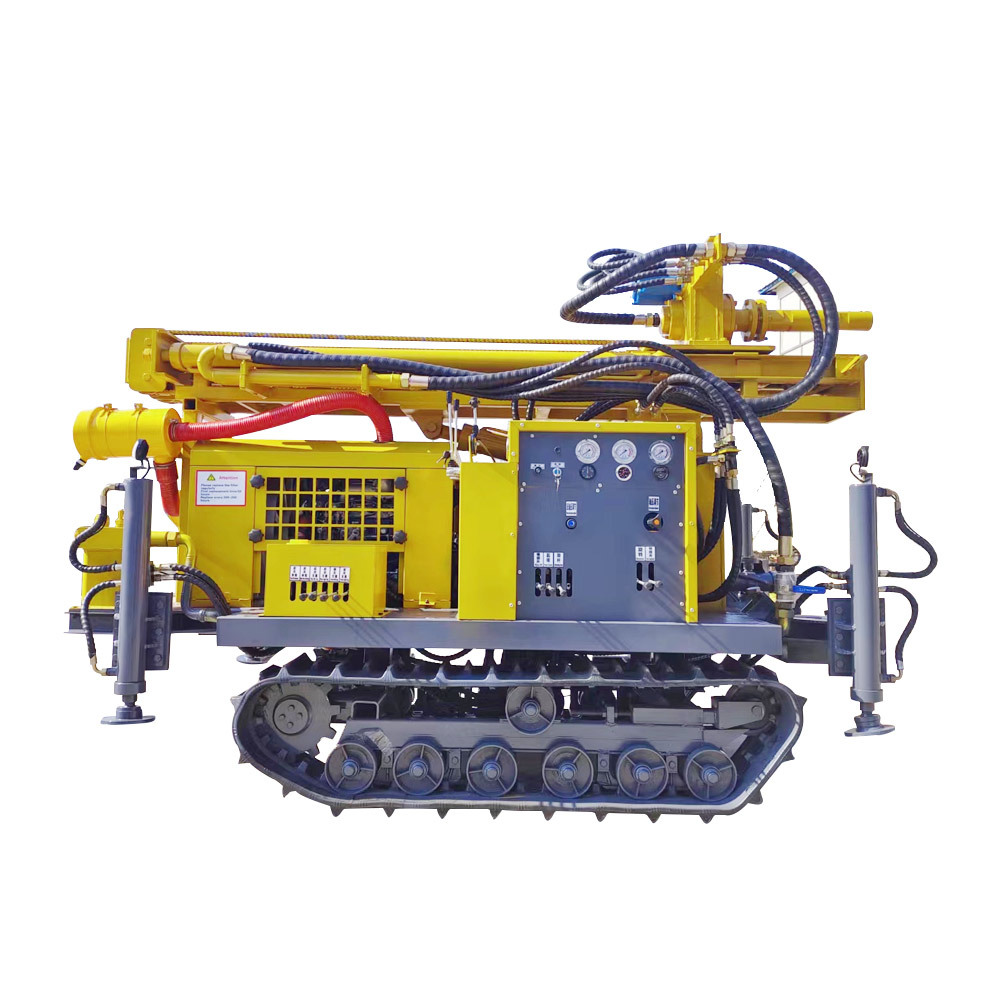
Crawler Water Well Drilling Rigs: Efficiency Redefined in Modern Drilling
Table of Contents
- Introduction to Crawler Water Well Drilling Rigs
- Advantages of Crawler Water Well Drilling Rigs
- Key Features of Modern Crawler Water Well Drilling Rigs
- How Crawler Water Well Drilling Rigs Are Used
- The Technology Behind Crawler Water Well Drilling Rigs
- Maintenance and Care for Crawler Water Well Drilling Rigs
- Crawler Water Well Drilling Rigs vs. Traditional Drilling Rigs
- The Future of Crawler Water Well Drilling Rigs
- FAQs about Crawler Water Well Drilling Rigs
- Conclusion
Introduction to Crawler Water Well Drilling Rigs
Crawler water well drilling rigs have emerged as the backbone of modern drilling operations across various industries. These rigs are specifically engineered to provide enhanced versatility and efficiency, setting a new benchmark for water well drilling. Unlike traditional rigs, crawler models boast a range of features that facilitate drilling in diverse terrains. As water scarcity becomes a pressing global issue, the significance of efficient drilling methods cannot be overstated.
In this article, we delve into the world of crawler water well drilling rigs, exploring their advantages, key features, operational methods, and the technology that supports their effectiveness.
Advantages of Crawler Water Well Drilling Rigs
When it comes to water well drilling, crawler rigs offer several distinct advantages that significantly enhance operational efficiency and productivity.
1. Superior Mobility and Stability
Crawler water well drilling rigs are equipped with a unique undercarriage system that enhances mobility across various terrains. This mobility is particularly beneficial in challenging environments, such as muddy or uneven ground. The stability offered by the crawler system allows for consistent drilling performance, reducing the risk of equipment tipping or becoming stuck.
2. Enhanced Drilling Depth Capability
These rigs are designed to reach greater drilling depths compared to their traditional counterparts. With powerful engines and advanced drilling technology, crawler rigs can access deeper water reservoirs, ensuring a reliable water supply even in arid regions.
3. Increased Efficiency
Crawler water well drilling rigs are engineered for operational efficiency. Their design minimizes downtime and maximizes productivity by allowing for quicker setup and teardown processes. The use of advanced drilling techniques also reduces the amount of time needed to complete projects.
4. Versatility in Applications
The adaptability of crawler rigs enables them to be used in various applications beyond water well drilling. They can efficiently handle geotechnical investigations, environmental drilling, and even mineral exploration, making them a valuable asset for any drilling contractor.
Key Features of Modern Crawler Water Well Drilling Rigs
Modern crawler water well drilling rigs are equipped with state-of-the-art technology and features that enhance their operational capabilities. Here are some key features that set them apart:
1. Advanced Drill Head Technology
The drill head is crucial for penetrating the ground efficiently. Modern crawler rigs incorporate advanced drill head designs that optimize drilling speed and effectiveness, ensuring a smoother drilling process.
2. Hydraulic Systems
Hydraulic systems in crawler rigs provide the necessary power for various functions, including drill rotation, feed, and hoisting. These systems are designed for efficiency, ensuring consistent performance throughout the drilling operation.
3. User-Friendly Control Systems
Operators benefit from intuitive control systems that simplify the operation of crawler rigs. These systems often feature digital displays that provide real-time data, allowing for better decision-making during drilling.
4. Safety Features
Safety is paramount in drilling operations. Crawler rigs are equipped with various safety features such as emergency shut-off systems, rollover protection, and robust operator cabins to ensure the safety of personnel on-site.
How Crawler Water Well Drilling Rigs Are Used
The operational procedures for crawler water well drilling rigs are systematic and methodical, ensuring optimal performance. Here’s an overview of how these rigs are effectively utilized:
1. Site Preparation
Before drilling begins, thorough site preparation is essential. This includes clearing the area of obstructions, surveying the land, and determining the best drilling location based on geological assessments.
2. Rig Setup
Once the site is prepared, the crawler rig is positioned and set up. The stability of the crawler system ensures that the rig remains secure during the drilling process, even in challenging conditions.
3. Drilling Operation
With the rig fully operational, drilling commences. The advanced drill head penetrates the ground while hydraulic systems control the drill's speed and depth. Continuous monitoring of the drilling process ensures that the operation remains efficient and safe.
4. Post-Drilling Activities
After reaching the desired depth, the drill head is withdrawn, and the well is prepared for water extraction. This includes the installation of casing and any necessary filtration systems.
The Technology Behind Crawler Water Well Drilling Rigs
The effectiveness of crawler water well drilling rigs is rooted in sophisticated technology.
1. GPS and Mapping Systems
Many modern crawler rigs are equipped with GPS technology that aids in accurate drilling location identification. This technology enhances overall efficiency by ensuring that the rig is positioned precisely where needed.
2. Data Analytics
The integration of data analytics into drilling operations allows for real-time monitoring and performance optimization. This data-driven approach enables operators to make informed decisions, reducing the risk of errors.
3. Remote Operation Capabilities
With advancements in technology, some crawler rigs can now be operated remotely. This capability not only enhances safety by reducing operator exposure to hazardous environments but also allows for precise control over the drilling process.
Maintenance and Care for Crawler Water Well Drilling Rigs
To ensure longevity and optimal performance, regular maintenance of crawler water well drilling rigs is essential. Here are key maintenance practices:
1. Routine Inspections
Conducting regular inspections of all mechanical and hydraulic components is crucial. This allows for early detection of potential issues before they escalate into costly repairs.
2. Lubrication of Moving Parts
Proper lubrication of moving parts minimizes friction and wear, extending the lifespan of the rig. Operators should follow manufacturer guidelines for lubrication schedules.
3. Cleaning and Debris Removal
Keeping the rig clean and free from debris prevents damage to sensitive components. Regular cleaning after each project is recommended to ensure optimal performance.
4. Professional Servicing
Engaging professional technicians for servicing and repairs guarantees that the equipment is maintained to industry standards, ensuring safety and efficiency.
Crawler Water Well Drilling Rigs vs. Traditional Drilling Rigs
When comparing crawler water well drilling rigs to traditional drilling rigs, several differences become apparent:
1. Mobility
Crawler rigs offer unmatched mobility, allowing them to navigate challenging terrains with ease. Traditional rigs often lack this capability, limiting their operational areas.
2. Depth Capability
Crawler rigs can reach greater depths more efficiently. Traditional rigs may struggle to penetrate deeper layers, making crawler rigs the preferred choice for deep water wells.
3. Operational Efficiency
The efficiency of crawler rigs translates to faster project completion times. Traditional rigs may require longer setup and drilling times, impacting overall productivity.
The Future of Crawler Water Well Drilling Rigs
As technology continues to advance, the future of crawler water well drilling rigs looks promising. Innovations such as automation, AI integration, and improved energy efficiency are likely to shape the next generation of drilling equipment. These advancements will further enhance the capabilities of crawler rigs, solidifying their role in modern drilling practices.
FAQs about Crawler Water Well Drilling Rigs
1. What types of terrains can crawler water well drilling rigs operate on?
Crawler rigs are designed for a variety of terrains, including muddy, rocky, and uneven ground, thanks to their robust undercarriage system.
2. How deep can crawler water well drilling rigs drill?
The drilling depth varies by model but many crawler rigs can efficiently reach depths of over 1,000 feet, depending on the geological conditions.
3. What maintenance is required for crawler water well drilling rigs?
Regular inspections, lubrication of moving parts, cleaning, and professional servicing are essential to maintain crawler rigs.
4. Are crawler water well drilling rigs environmentally friendly?
Many modern crawler rigs are designed with fuel efficiency in mind and incorporate technologies that minimize environmental impact during operations.
5. Can crawler water well drilling rigs be operated remotely?
Yes, some models feature remote operation capabilities, allowing for safer and more precise control over the drilling process.
Conclusion
Crawler water well drilling rigs have fundamentally transformed the landscape of drilling operations. Their **superior mobility**, **enhanced efficiency**, and **advanced technology** position them as indispensable tools for contractors and industries reliant on reliable water sources. As we look to the future, continuous advancements in technology and operational techniques will further enhance the capabilities of these rigs, making them the preferred choice for water well drilling. Whether navigating challenging terrains or accessing deep water reservoirs, crawler rigs represent the pinnacle of modern drilling efficiency, ensuring that we meet the growing demands of water sustainability in an ever-evolving world.




ONLINE MESSAGES
Add.: Industrial Park Area, Mengyin, Linyi, Shandong, China
Tel: Jean 86-15963257090
John 86-15966923349