


NEWS CENTER
Unlocking the Secrets of Borehole Drilling Machines: A Comprehensive Guide
Jan 05,2026
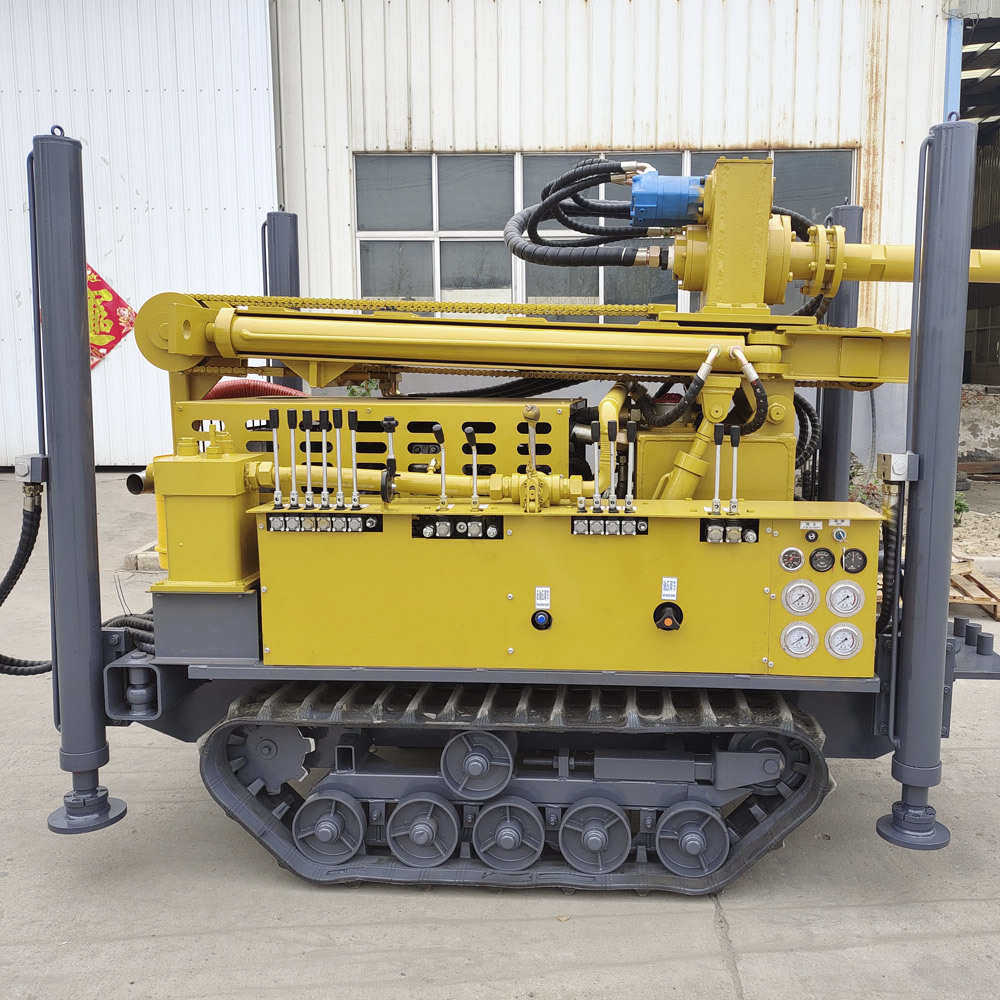
Borehole drilling machines are specialized equipment designed to create deep, narrow holes, often referred to as boreholes, into the ground. These machines are essential in various applications, including geological exploration, water well drilling, geothermal installations, and environmental assessments. Understanding the capabilities and functions of borehole drilling machines can significantly impact efficiency and effectiveness in engineering and construction projects.
One of the primary functions of borehole drilling machines is to penetrate different types of soil and rock formations. The choice of drilling method largely depends on the geological conditions and the purpose of the borehole. Common drilling techniques include rotary drilling, percussion drilling, and auger drilling. Each method has its advantages and is suited for particular soil types and project requirements. For instance, rotary drilling is often favored for its speed and effectiveness in hard rock, while auger drilling is ideal for softer soils.
The design and construction of borehole drilling machines have evolved significantly over the years, incorporating advanced technologies to improve their performance. Modern machines often feature automated systems for depth measurement and drilling parameters, enhancing precision and reducing the likelihood of human error. Additionally, innovations in materials and engineering techniques have led to lighter, more durable equipment that can withstand challenging conditions.
Safety is a critical consideration when operating borehole drilling machines. Operators must be knowledgeable about the potential hazards associated with drilling activities, such as unstable ground conditions, water ingress, and the handling of drilling fluids. Proper training and adherence to safety protocols are essential to mitigate risks and ensure a safe working environment.
Furthermore, the environmental impact of borehole drilling should not be overlooked. Responsible drilling practices involve minimizing disruptions to the surrounding ecosystem. Technologies that reduce noise and vibration, as well as systems that manage waste from the drilling process, are becoming increasingly important in the design and operation of borehole drilling machines.
In summary, borehole drilling machines are indispensable tools in various industries, enabling the exploration and utilization of subsurface resources. By understanding their operational principles, advancements in technology, and safety considerations, operators can maximize their effectiveness while minimizing risks. As technology continues to advance, the future of borehole drilling looks promising, with innovations that will further enhance efficiency and sustainability in drilling operations.
One of the primary functions of borehole drilling machines is to penetrate different types of soil and rock formations. The choice of drilling method largely depends on the geological conditions and the purpose of the borehole. Common drilling techniques include rotary drilling, percussion drilling, and auger drilling. Each method has its advantages and is suited for particular soil types and project requirements. For instance, rotary drilling is often favored for its speed and effectiveness in hard rock, while auger drilling is ideal for softer soils.
The design and construction of borehole drilling machines have evolved significantly over the years, incorporating advanced technologies to improve their performance. Modern machines often feature automated systems for depth measurement and drilling parameters, enhancing precision and reducing the likelihood of human error. Additionally, innovations in materials and engineering techniques have led to lighter, more durable equipment that can withstand challenging conditions.
Safety is a critical consideration when operating borehole drilling machines. Operators must be knowledgeable about the potential hazards associated with drilling activities, such as unstable ground conditions, water ingress, and the handling of drilling fluids. Proper training and adherence to safety protocols are essential to mitigate risks and ensure a safe working environment.
Furthermore, the environmental impact of borehole drilling should not be overlooked. Responsible drilling practices involve minimizing disruptions to the surrounding ecosystem. Technologies that reduce noise and vibration, as well as systems that manage waste from the drilling process, are becoming increasingly important in the design and operation of borehole drilling machines.
In summary, borehole drilling machines are indispensable tools in various industries, enabling the exploration and utilization of subsurface resources. By understanding their operational principles, advancements in technology, and safety considerations, operators can maximize their effectiveness while minimizing risks. As technology continues to advance, the future of borehole drilling looks promising, with innovations that will further enhance efficiency and sustainability in drilling operations.




ONLINE MESSAGES
Add.: Industrial Park Area, Mengyin, Linyi, Shandong, China
Tel: Jean 86-15963257090
John 86-15966923349