


NEWS CENTER
Why Crawler Water Well Drilling Rigs Are Ideal for Remote Locations
Jun 01,2026
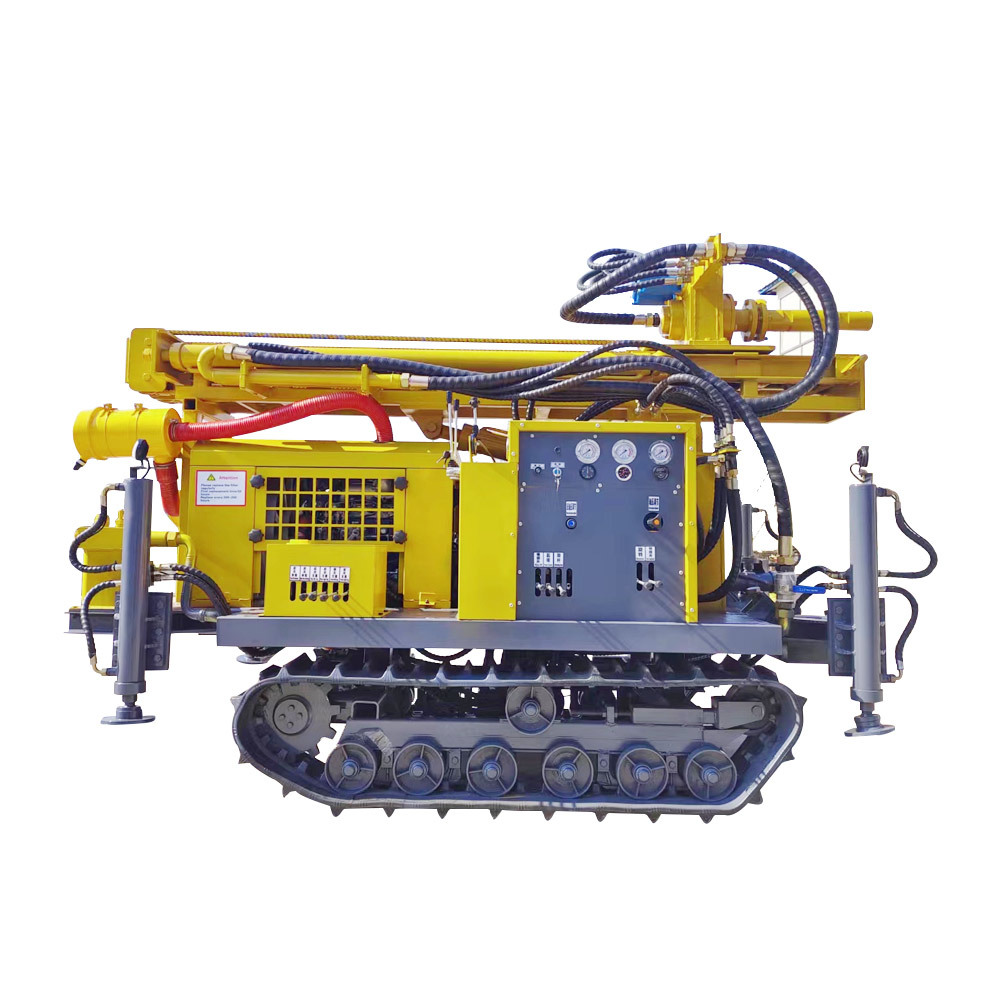
Why Crawler Water Well Drilling Rigs Are Ideal for Remote Locations
Table of Contents
- Introduction to Crawler Water Well Drilling Rigs
- The Benefits of Crawler Drilling Rigs
- Mobility and Stability in Challenging Terrains
- Efficiency in Remote Areas
- Versatility for Various Projects
- Technical Specifications and Features
- Environmental Impact and Sustainability
- Real-World Case Studies
- Choosing the Right Crawler Water Well Drilling Rig
- Maintenance and Safety Considerations
- Conclusion: The Future of Water Well Drilling in Remote Areas
- FAQs
Introduction to Crawler Water Well Drilling Rigs
In the quest for reliable water sources, especially in remote locations, crawler water well drilling rigs stand out as a critical tool. These machines are designed to navigate tough terrains, providing access to groundwater even when traditional drilling methods fail. With their robust designs and advanced technology, crawler rigs are not only effective but also essential in areas with limited access to conventional resources.
The Benefits of Crawler Drilling Rigs
Understanding the advantages of crawler water well drilling rigs is crucial for anyone involved in construction, agriculture, or environmental management in remote areas.
Mobility and Stability in Challenging Terrains
Crawler drilling rigs feature a unique track system that allows them to traverse uneven and rugged landscapes. Unlike wheeled vehicles, these tracks distribute the weight of the rig evenly across the ground, reducing the risk of sinking or becoming stuck. This mobility is vital in remote locations where access roads may be non-existent or in poor condition.
Efficiency in Remote Areas
One of the most compelling reasons to use crawler water well drilling rigs is their operational efficiency. Equipped with powerful engines and advanced drilling technology, these rigs can operate continuously and effectively, reducing the time needed to locate and extract water. They are designed to handle various soil conditions, from sandy loam to rocky substrates, making them versatile for various projects.
Versatility for Various Projects
Crawler rigs are not limited to water well drilling alone. Their adaptable designs allow them to be used for various applications, including geothermal installations, environmental monitoring, and even construction projects. This versatility makes them a valuable investment for contractors who work in remote locations and require a multipurpose tool.
Technical Specifications and Features
When considering the deployment of crawler water well drilling rigs, understanding their technical specifications is essential. These machines come equipped with features tailored for efficiency and reliability.
Powerful Drilling Capacity
Typically, crawler rigs can drill depths exceeding 1,000 feet, depending on the model and the geological conditions. They utilize rotary drilling techniques, which are efficient for accessing deep water reservoirs.
Advanced Control Systems
Modern crawler rigs are equipped with advanced control systems that facilitate precise drilling operations. Operators can monitor drilling parameters in real-time, allowing for quick adjustments to enhance efficiency and reduce wear on equipment.
Robust Build Quality
Constructed with high-strength materials, crawler drilling rigs are designed to withstand harsh environmental conditions. Their robust build ensures longevity, minimizing downtime due to maintenance or repairs.
Environmental Impact and Sustainability
The need for sustainable practices in resource extraction cannot be overstated. Crawler water well drilling rigs are engineered to minimize environmental impact in several ways.
Reduced Land Disturbance
The track-based mobility of crawler rigs reduces land disturbance compared to traditional wheeled vehicles. This feature is crucial in environmentally sensitive areas, where maintaining the integrity of the ecosystem is paramount.
Efficient Water Usage
Crawler rigs can be equipped with technologies that optimize water extraction, ensuring that resources are used efficiently. By targeting deep aquifers, these rigs help to reduce over-extraction from surface water sources.
Real-World Case Studies
Analyzing real-world applications of crawler water well drilling rigs provides insight into their effectiveness and adaptability in various scenarios.
Case Study 1: Agricultural Water Supply in Remote Areas
In a rural agricultural project, a crawler rig was deployed to drill wells for irrigation. The rugged terrain posed significant challenges, but the rig's mobility allowed for successful drilling, providing vital water access for crops. This project not only improved crop yields but also enhanced the local economy by ensuring consistent water supply.
Case Study 2: Humanitarian Water Projects
A humanitarian organization utilized a crawler drilling rig to provide clean drinking water in remote villages affected by drought. The rig's ability to drill deep into aquifers enabled the organization to establish sustainable water sources, significantly improving the quality of life for local residents.
Choosing the Right Crawler Water Well Drilling Rig
Selecting the appropriate crawler water well drilling rig involves assessing several critical factors.
Project Requirements
Understanding the specific needs of your project is essential. Consider the depth of the wells required, the soil conditions, and the expected water yield.
Budget Considerations
Crawler rigs can vary significantly in price. Establishing a budget that accounts for both initial purchase costs and long-term maintenance will help in making an informed decision.
Manufacturer Reputation
Researching manufacturers and their reputations for reliability and customer service is crucial. Investing in a rig from a reputable manufacturer can save time and money in the long run.
Maintenance and Safety Considerations
While crawler water well drilling rigs are built for durability, regular maintenance is essential for optimal performance.
Routine Inspections
Conducting routine inspections of the rig's components, including the engine, hydraulic systems, and drill bits, helps to identify potential issues before they become significant problems.
Safety Protocols
Implementing safety protocols is crucial when operating crawler rigs. Training operators on safe practices minimizes the risk of accidents and ensures compliance with industry regulations.
Conclusion: The Future of Water Well Drilling in Remote Areas
Crawler water well drilling rigs represent a groundbreaking solution for accessing water in remote locations. Their mobility, efficiency, and versatility make them indispensable tools for various applications, from agriculture to humanitarian efforts. As the demand for sustainable water sources continues to rise, investing in crawler drilling technology will be crucial for meeting future challenges.
FAQs
1. What depth can crawler water well drilling rigs reach?
Crawler water well drilling rigs can typically reach depths exceeding 1,000 feet, depending on the model and geological conditions.
2. Are crawler rigs environmentally friendly?
Yes, crawler rigs are designed to minimize land disturbance and optimize water extraction, making them a more environmentally friendly option.
3. What types of projects can benefit from crawler water well drilling rigs?
Crawler rigs are versatile and can be used for agricultural irrigation, geothermal installations, environmental monitoring, and construction projects.
4. How do I maintain a crawler water well drilling rig?
Routine inspections of the rig's components and adhering to a regular maintenance schedule are essential for optimal performance.
5. What should I consider when choosing a crawler drilling rig?
Consider project requirements, budget, soil conditions, and the reputation of the manufacturer when selecting a crawler drilling rig.
This comprehensive exploration of crawler water well drilling rigs emphasizes their importance in accessing water in remote locations while highlighting their benefits, technical specifications, and real-world applications. With the right knowledge and investment, these rigs can significantly enhance water sourcing efforts across various industries.
PREVIOUS:




ONLINE MESSAGES
Add.: Industrial Park Area, Mengyin, Linyi, Shandong, China
Tel: Jean 86-15963257090
John 86-15966923349