


NEWS CENTER
Essential Insights into Borehole Drilling Equipment for Engineering and Construction Professionals
Jun 10,2026
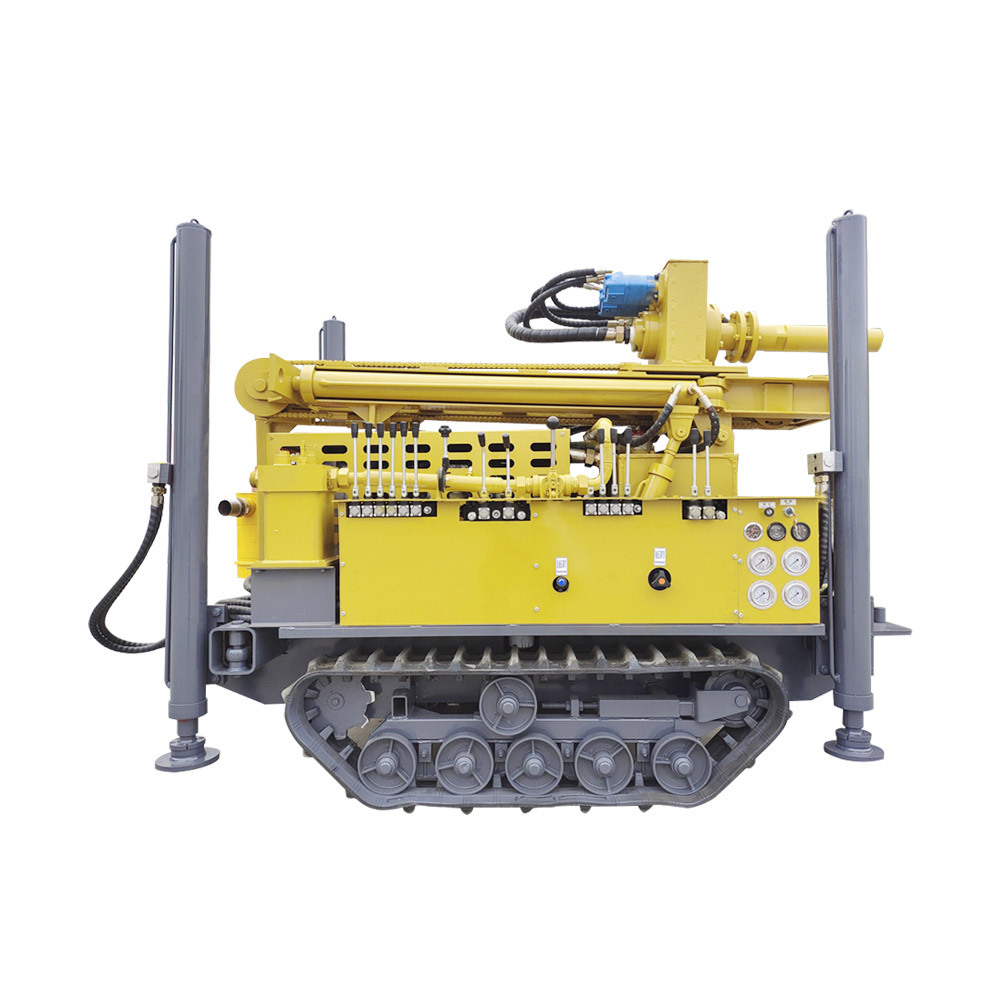
Borehole drilling equipment is an indispensable asset in the fields of engineering and construction, playing a pivotal role in various applications such as water well drilling, geotechnical investigations, and mineral exploration. Understanding the components, functionality, and operational requirements of borehole drilling equipment can significantly enhance project efficiency and outcomes.
At its core, borehole drilling equipment consists of several key components, including the drill rig, drilling tools, and support systems. The drill rig serves as the primary machine to facilitate the drilling process, available in various sizes and configurations to meet specific project demands. The choice of drill rig can depend on factors such as borehole depth, soil type, and the intended application.
Drilling tools, often referred to as drill bits, are critical for the effective penetration of the earth's surface. Different types of drill bits are designed for various geological conditions. For example, diamond bits excel in hard rock formations, while roller cone bits are more suited for softer soils. Selecting the appropriate drill bit is essential for optimizing drilling efficiency and minimizing wear on equipment.
In addition to the primary drilling components, supporting systems such as mud pumps, casing systems, and downhole tools also play vital roles in the drilling operation. Mud pumps circulate drilling fluid to cool the drill bit, remove cuttings, and stabilize the borehole walls. Casing systems provide structural integrity to the borehole, preventing collapse and ensuring that the drilled hole remains open for its intended use.
When operating borehole drilling equipment, professionals must adhere to safety protocols and best practices. This includes conducting thorough site assessments to identify potential hazards, ensuring that all personnel are adequately trained, and utilizing personal protective equipment (PPE) to mitigate risks associated with drilling operations. Regular maintenance and inspections of the drilling equipment are also crucial to ensure optimal performance and longevity.
Moreover, advancements in technology have led to the development of more efficient and environmentally friendly borehole drilling equipment. Innovations such as automated drilling systems and eco-friendly drilling fluids are becoming increasingly prevalent, allowing for improved efficiency and reduced environmental impact.
In summary, borehole drilling equipment is a vital tool in the engineering and construction industries. By understanding its components and operational requirements, professionals can ensure the successful execution of their projects. Emphasizing proper selection, maintenance, and safety practices will contribute to enhanced performance and longevity of drilling operations, ultimately leading to more successful outcomes in various applications.
At its core, borehole drilling equipment consists of several key components, including the drill rig, drilling tools, and support systems. The drill rig serves as the primary machine to facilitate the drilling process, available in various sizes and configurations to meet specific project demands. The choice of drill rig can depend on factors such as borehole depth, soil type, and the intended application.
Drilling tools, often referred to as drill bits, are critical for the effective penetration of the earth's surface. Different types of drill bits are designed for various geological conditions. For example, diamond bits excel in hard rock formations, while roller cone bits are more suited for softer soils. Selecting the appropriate drill bit is essential for optimizing drilling efficiency and minimizing wear on equipment.
In addition to the primary drilling components, supporting systems such as mud pumps, casing systems, and downhole tools also play vital roles in the drilling operation. Mud pumps circulate drilling fluid to cool the drill bit, remove cuttings, and stabilize the borehole walls. Casing systems provide structural integrity to the borehole, preventing collapse and ensuring that the drilled hole remains open for its intended use.
When operating borehole drilling equipment, professionals must adhere to safety protocols and best practices. This includes conducting thorough site assessments to identify potential hazards, ensuring that all personnel are adequately trained, and utilizing personal protective equipment (PPE) to mitigate risks associated with drilling operations. Regular maintenance and inspections of the drilling equipment are also crucial to ensure optimal performance and longevity.
Moreover, advancements in technology have led to the development of more efficient and environmentally friendly borehole drilling equipment. Innovations such as automated drilling systems and eco-friendly drilling fluids are becoming increasingly prevalent, allowing for improved efficiency and reduced environmental impact.
In summary, borehole drilling equipment is a vital tool in the engineering and construction industries. By understanding its components and operational requirements, professionals can ensure the successful execution of their projects. Emphasizing proper selection, maintenance, and safety practices will contribute to enhanced performance and longevity of drilling operations, ultimately leading to more successful outcomes in various applications.




ONLINE MESSAGES
Add.: Industrial Park Area, Mengyin, Linyi, Shandong, China
Tel: Jean 86-15963257090
John 86-15966923349