


NEWS CENTER
Why Your Project Needs an Exploration Drilling Rig: Unlocking the Potential for Success
Dec 06,2025
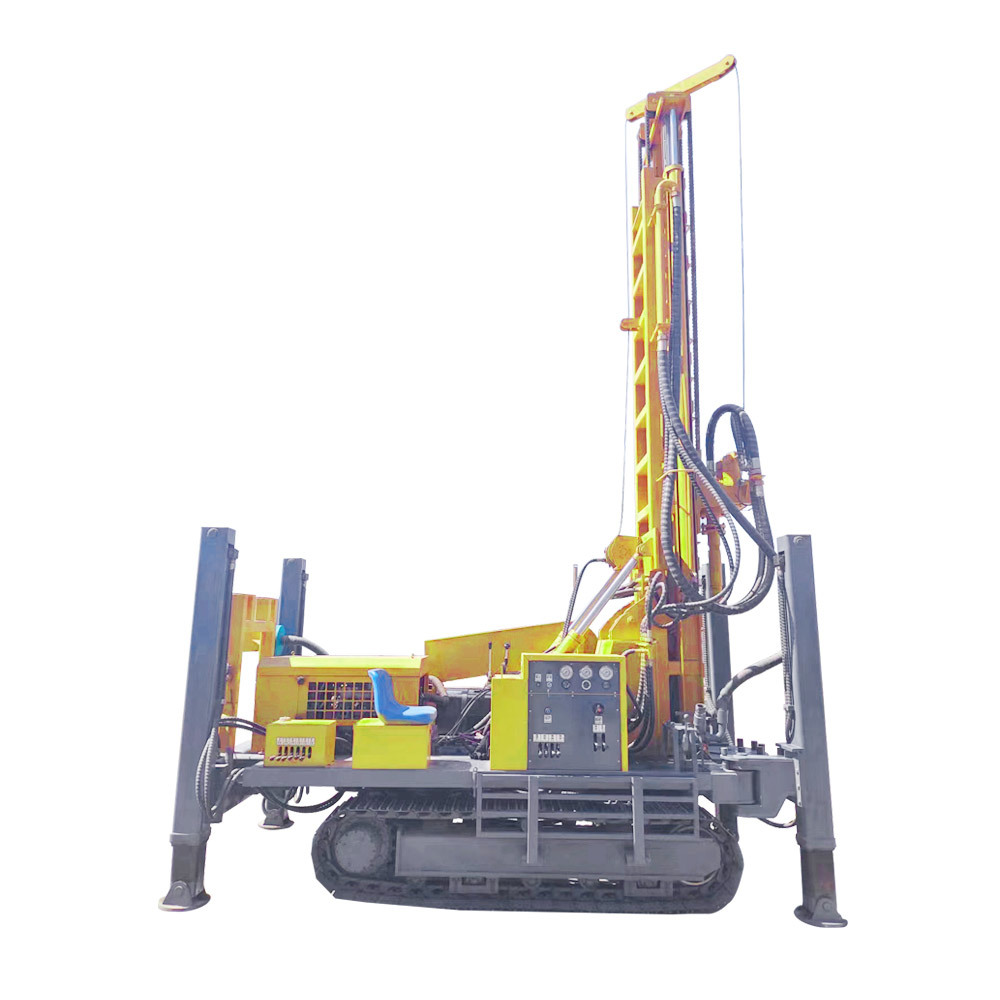
Why Your Project Needs an Exploration Drilling Rig: Unlocking the Potential for Success
Table of Contents
1. Understanding Exploration Drilling Rigs
2. The Importance of Exploration Drilling in Engineering Projects
3. Key Benefits of Using an Exploration Drilling Rig
3.1. Enhanced Accuracy in Geological Assessments
3.2. Increased Efficiency in Resource Extraction
3.3. Cost-Effectiveness Over Traditional Methods
4. Different Types of Exploration Drilling Rigs
4.1. Rotary Drilling Rigs
4.2. Diamond Core Drilling Rigs
4.3. Auger Drilling Rigs
5. Selecting the Right Exploration Drilling Rig for Your Project
6. The Process of Exploration Drilling
7. Real-World Applications of Exploration Drilling Rigs
8. Frequently Asked Questions
9. Conclusion
1. Understanding Exploration Drilling Rigs
Exploration drilling rigs are specialized machines designed to penetrate the Earth’s surface to extract valuable geological data. These rigs are essential for assessing mineral deposits, groundwater, and other geological features critical to various engineering and construction projects. Unlike conventional drilling equipment, exploration rigs are tailored for specific tasks, ensuring precision and reliability.
2. The Importance of Exploration Drilling in Engineering Projects
In the realm of engineering, the significance of exploration drilling cannot be overstated. It serves as the foundation for informed decision-making regarding project feasibility, site selection, and resource management. By providing detailed insights into subsurface conditions, exploration drilling helps engineers anticipate challenges and devise effective strategies.
3. Key Benefits of Using an Exploration Drilling Rig
3.1. Enhanced Accuracy in Geological Assessments
One of the primary advantages of utilizing an exploration drilling rig is the **enhanced accuracy** it provides in geological assessments. By obtaining core samples and conducting in-depth analysis, engineers can gain a clear understanding of the subsurface conditions. This clarity minimizes the risk of unexpected complications during construction.
3.2. Increased Efficiency in Resource Extraction
Exploration drilling rigs are designed for efficiency, allowing for faster resource extraction. With advanced technology, these rigs can quickly reach targeted depths and retrieve samples, streamlining the drilling process. This efficiency translates into time and cost savings, making your project more competitive.
3.3. Cost-Effectiveness Over Traditional Methods
Investing in an exploration drilling rig can be more cost-effective than traditional drilling methods. The initial investment is often offset by the savings realized through reduced labor costs, decreased project delays, and higher-quality data acquisition. This financial efficiency makes exploration drilling a prudent choice for project managers.
4. Different Types of Exploration Drilling Rigs
Understanding the various types of exploration drilling rigs is crucial for selecting the right equipment for your project. Each type serves a specific purpose and is suited to different geological conditions.
4.1. Rotary Drilling Rigs
Rotary drilling rigs utilize a rotating drill bit to bore through rock and soil. This method is highly effective for penetrating hard strata and is widely used in mineral exploration. The continuous rotation allows for rapid drilling and retrieval of core samples.
4.2. Diamond Core Drilling Rigs
Diamond core drilling rigs are equipped with diamond-tipped bits, making them ideal for obtaining high-quality core samples from hard rock formations. This method provides precise geological data, which is essential for assessing mineral deposits.
4.3. Auger Drilling Rigs
Auger drilling rigs are suitable for softer soil conditions. They use a helical screw to extract soil samples, making them effective for environmental and geotechnical studies. This method is less invasive and can be performed in urban areas with minimal disruption.
5. Selecting the Right Exploration Drilling Rig for Your Project
Choosing the appropriate exploration drilling rig is a critical step in ensuring project success. Factors to consider include:
- **Geological conditions**: Assess the type of soil and rock present at the site.
- **Project scale**: Determine the size and depth requirements of the drilling project.
- **Budget constraints**: Evaluate the financial implications of different rig types.
- **Environmental considerations**: Ensure that the rig meets regulatory standards for environmental protection.
By carefully considering these factors, project managers can select the rig best suited to their specific needs.
6. The Process of Exploration Drilling
The exploration drilling process typically involves several stages:
1. **Site Assessment**: Conduct a thorough evaluation of the proposed drilling site, including geological surveys and environmental impact assessments.
2. **Drilling Plan Development**: Create a detailed drilling plan that outlines the objectives, methods, and timelines.
3. **Rig Mobilization**: Transport the selected exploration drilling rig to the site and set it up for operation.
4. **Drilling Operations**: Execute the drilling plan, collecting samples and data as drilling progresses.
5. **Data Analysis**: Analyze the collected samples to gain insights into the subsurface conditions.
6. **Reporting**: Compile a comprehensive report detailing the findings and recommendations based on the drilling results.
7. Real-World Applications of Exploration Drilling Rigs
Exploration drilling rigs have a wide range of applications across various industries:
- **Mining**: Essential for assessing mineral deposits and planning extraction operations.
- **Oil and Gas**: Used in the exploration of new oil and gas reserves, providing critical data for drilling decisions.
- **Environmental Studies**: Critical for assessing soil contamination and groundwater resources.
- **Geotechnical Engineering**: Provides data necessary for the design and construction of foundations, tunnels, and other infrastructure.
8. Frequently Asked Questions
What is the main purpose of an exploration drilling rig?
The main purpose of an exploration drilling rig is to gather geological data by drilling into the Earth’s surface, which aids in resource assessment and project planning.
How does exploration drilling enhance project efficiency?
Exploration drilling enhances project efficiency by providing accurate geological data, allowing for informed decision-making, and reducing the risk of unexpected complications.
What types of exploration drilling rigs are available?
There are several types of exploration drilling rigs, including rotary drilling rigs, diamond core drilling rigs, and auger drilling rigs, each suited for different geological conditions.
How do I choose the right exploration drilling rig for my project?
To choose the right exploration drilling rig, consider factors such as geological conditions, project scale, budget constraints, and environmental considerations.
What are the environmental impacts of exploration drilling?
While exploration drilling can have environmental impacts, including land disturbance and potential contamination, careful planning and adherence to regulatory standards can mitigate these effects.
9. Conclusion
In conclusion, exploration drilling rigs play a pivotal role in the success of engineering and construction projects. By providing accurate geological data, increasing efficiency, and offering cost-effective solutions, these rigs unlock the potential for informed decision-making and successful resource management. Investing in the right exploration drilling rig is not just a choice; it is a strategic move that sets the foundation for project success. As the industry continues to evolve, embracing modern drilling technologies will ensure that your project remains competitive and efficient.
PREVIOUS:




ONLINE MESSAGES
Add.: Industrial Park Area, Mengyin, Linyi, Shandong, China
Tel: Jean 86-15963257090
John 86-15966923349