


NEWS CENTER
The Future Landscape of Crawler Drilling Rig Technology: Innovations and Trends Shaping the Industry
Feb 25,2026
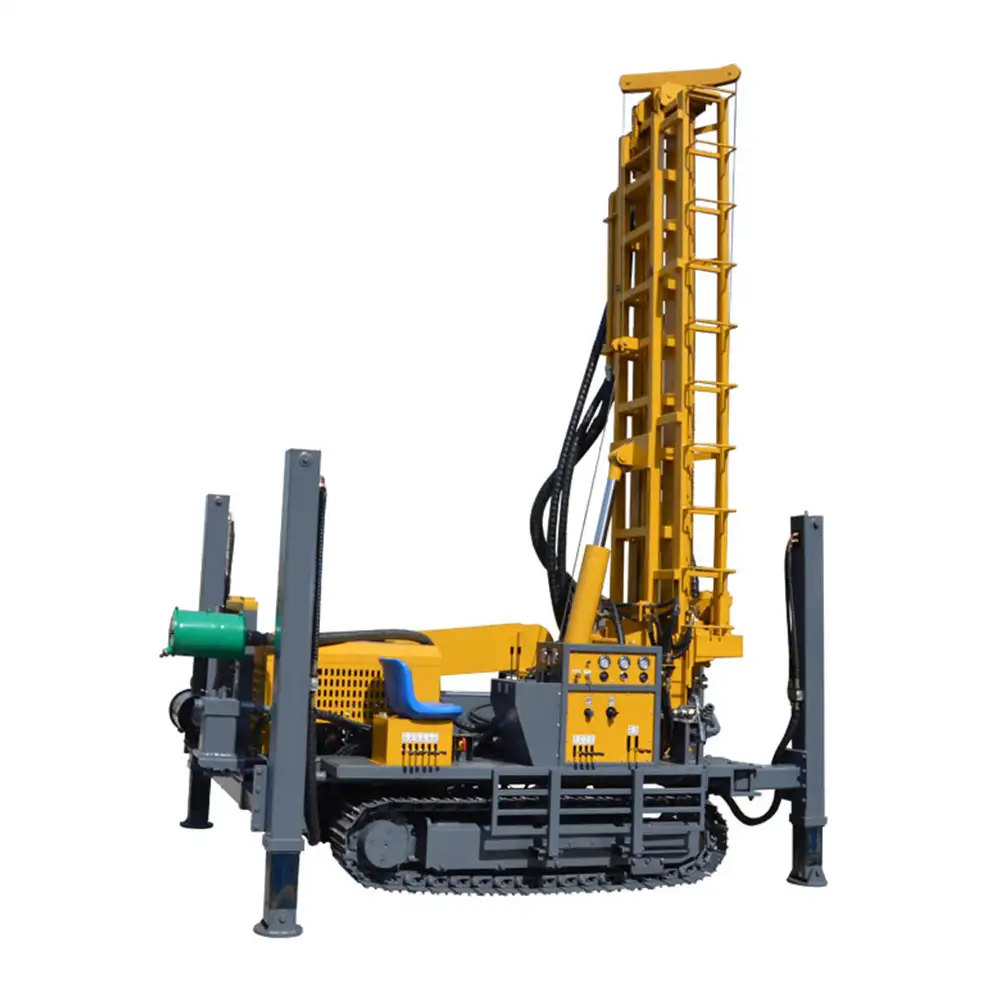
The Future Landscape of Crawler Drilling Rig Technology
Table of Contents
- Introduction to Crawler Drilling Rig Technology
- Historical Development of Crawler Drilling Rigs
- Current Technological Advancements in Crawler Drilling
- The Impact of Automation and Digitalization
- Sustainability in Crawler Drilling Operations
- Future Trends in Crawler Drilling Technologies
- Case Studies: Successful Implementations of Innovative Crawler Drilling
- Challenges and Opportunities in the Crawler Drilling Industry
- Conclusion: Embracing the Future of Crawler Drilling Rig Technology
- Frequently Asked Questions
Introduction to Crawler Drilling Rig Technology
In the ever-evolving world of engineering and construction, crawler drilling rigs have become indispensable tools for various applications, including mining, geological exploration, and infrastructure development. These robust machines are designed to navigate challenging terrains, providing efficient and precise drilling capabilities. As we look forward, it is vital to understand how advancements in technology are reshaping the crawler drilling rig landscape, ensuring safety, efficiency, and sustainability.
Historical Development of Crawler Drilling Rigs
The journey of crawler drilling rigs dates back several decades. Initially, drilling equipment was rudimentary and lacked the sophisticated technology we see today. Early models relied heavily on manual operation, with limited mobility and efficiency. As the demand for more robust solutions grew, manufacturers began to innovate, introducing hydraulic systems and improved designs that allowed for better mobility and control.
Key milestones in the evolution of crawler drilling rigs include the introduction of the following features:
- **Hydraulic Power Systems**: These systems enhanced drilling capabilities, allowing for greater penetration rates and efficiency.
- **Crawler Tracks**: The transition from wheels to tracks significantly improved mobility in uneven terrain and increased stability during drilling operations.
- **Advanced Control Systems**: Automation began to play a role, with operators able to control rigs with greater precision.
The growth of crawler drilling technology has been closely tied to advancements in materials and construction methods, allowing for lighter, more durable rigs that can withstand the rigors of demanding environments.
Current Technological Advancements in Crawler Drilling
Today, crawler drilling rigs are at the forefront of technological innovation. These machines now boast features that enhance their effectiveness and safety. Key advancements include:
1. Enhanced Drilling Performance
Recent innovations have led to rigs equipped with high-performance drilling bits and advanced rotary systems. This technology allows for faster drilling speeds without compromising the quality of the borehole, making operations more efficient and cost-effective.
2. GPS and Navigation Systems
Integration of GPS and advanced navigation systems has transformed how crawler drilling rigs operate. These technologies enable precise positioning and tracking, reducing the risk of errors and enhancing productivity.
3. Remote Operation Capabilities
The advent of remote operation has revolutionized the industry. Operators can now control drilling rigs from a safe distance, reducing exposure to hazardous environments and improving overall safety.
4. Real-time Data Monitoring
Many modern crawler drilling rigs are equipped with sensors that provide real-time data on various parameters such as soil conditions, pressure, and temperature. This data helps operators make informed decisions, optimizing drilling performance.
The Impact of Automation and Digitalization
Automation and digitalization are reshaping the crawler drilling industry. These trends not only enhance productivity but also promote safety and reduce operational costs.
1. Automated Drilling Systems
Automated drilling systems can perform tasks with minimal human intervention. These systems can adapt to changes in geological conditions, adjusting drilling parameters to maintain efficiency.
2. Data Analytics in Drilling Operations
Data analytics plays a crucial role in optimizing drilling operations. By analyzing historical data, companies can predict potential challenges and enhance decision-making processes.
3. Oil and Gas Sector Influence
The oil and gas industry has heavily invested in automation, and this influence is spilling over into the crawler drilling market. As technologies mature, the cost of automation will decrease, making it accessible to a broader range of applications.
Sustainability in Crawler Drilling Operations
With the global push towards sustainability, the crawler drilling industry is also stepping up. Sustainable practices not only benefit the environment but can also lead to cost savings.
1. Fuel Efficiency Improvements
Manufacturers are focusing on fuel-efficient technologies for crawler drilling rigs. Hybrid models that combine traditional fuel sources with electricity are becoming more prevalent, reducing carbon footprints.
2. Waste Management Strategies
Effective waste management is crucial in drilling operations. Companies are implementing strategies to minimize waste generation and maximize recycling efforts, thus protecting the environment.
3. Noise Reduction Technologies
As urban areas expand, noise pollution becomes a concern. New technologies are being developed to reduce the noise generated during drilling, minimizing the impact on surrounding communities.
Future Trends in Crawler Drilling Technologies
Looking ahead, several trends are expected to shape the future landscape of crawler drilling rig technology.
1. Increased Use of AI and Machine Learning
Artificial intelligence (AI) and machine learning are expected to play a significant role in enhancing drilling operations. These technologies can analyze large datasets to improve drilling techniques and predict equipment failures before they occur.
2. Advanced Materials and Design
Future crawler drilling rigs will likely utilize advanced materials that enhance durability while reducing weight. Innovations in design will also lead to more compact and efficient models, optimizing space and energy usage.
3. Greater Integration with Renewable Energy Sources
As the world shifts towards renewable energy, integrating crawler drilling operations with solar and wind energy sources will become more common. This transition will further enhance sustainability efforts within the industry.
Case Studies: Successful Implementations of Innovative Crawler Drilling
Examining real-life applications of advanced crawler drilling technology provides insights into its effectiveness and potential.
1. Urban Construction Projects
In urban environments, companies have successfully implemented advanced crawler drilling rigs equipped with noise-reduction technologies. These machines enable operations to proceed without disturbing nearby residents, showcasing how innovation can address community concerns.
2. Mining Operations
In the mining sector, a leading company adopted a fleet of automated crawler drilling rigs, resulting in increased efficiency and safety. By utilizing real-time data monitoring and remote operation capabilities, they significantly reduced operational downtime.
Challenges and Opportunities in the Crawler Drilling Industry
While the future of crawler drilling technology holds promise, certain challenges must be addressed to unlock its full potential.
1. High Initial Investment Costs
The initial investment required for advanced crawler drilling rigs may pose a barrier for some companies. However, the long-term benefits often outweigh these costs, highlighting the importance of strategic planning.
2. Skills Gap in Workforce
As technology advances, there is a growing need for skilled workers who can operate sophisticated equipment. Investing in training and development programs is crucial to close this skills gap.
3. Technological Integration
The integration of different technologies can be challenging. Companies must ensure compatibility between new systems and existing infrastructure to maximize efficiency.
Conclusion: Embracing the Future of Crawler Drilling Rig Technology
The crawler drilling rig industry is on the brink of transformative change, driven by technological advancements and a commitment to sustainability. By embracing innovations such as automation, data analytics, and environmentally-friendly practices, the industry can enhance its operations and contribute positively to global sustainability goals. As we move forward, it is essential for companies to stay informed about these trends and adapt their strategies accordingly to thrive in this dynamic landscape.
Frequently Asked Questions
1. What are crawler drilling rigs used for?
Crawler drilling rigs are primarily used in construction, mining, and geological exploration, allowing for drilling in challenging terrains.
2. How do GPS systems enhance crawler drilling operations?
GPS systems provide accurate positioning and tracking, reducing errors and improving drilling efficiency.
3. What is the significance of automation in crawler drilling?
Automation enhances productivity, reduces human error, and improves safety by allowing remote operation of drilling rigs.
4. How are sustainability practices being integrated into crawler drilling?
Sustainability practices include enhancing fuel efficiency, implementing waste management strategies, and reducing noise pollution.
5. What future technologies are expected to shape crawler drilling rigs?
Future technologies include artificial intelligence, advanced materials, and greater integration with renewable energy sources.




ONLINE MESSAGES
Add.: Industrial Park Area, Mengyin, Linyi, Shandong, China
Tel: Jean 86-15963257090
John 86-15966923349