


NEWS CENTER
How to Effectively Train Your Team on Mini Water Borehole Rig Operations
May 14,2026
How to Effectively Train Your Team on Mini Water Borehole Rig Operations
Table of Contents
- 1. Introduction to Mini Water Borehole Rigs
- 2. Importance of Training Your Team
- 3. Understanding the Equipment
- 4. Developing a Training Program Structure
- 5. Safety Protocols and Best Practices
- 6. Assessing Competence and Skills
- 7. Continuous Improvement and Feedback
- 8. Conclusion
- 9. Frequently Asked Questions (FAQs)
1. Introduction to Mini Water Borehole Rigs
Mini water borehole rigs are essential tools in various industries, including construction, agriculture, and municipal services. They enable teams to access underground water sources, facilitating irrigation, drinking water supply, and other critical applications. Training your team on the operation of these rigs not only enhances productivity but also ensures the safety and efficiency of your projects.
2. Importance of Training Your Team
Training is a crucial aspect of any operation involving machinery, particularly mini water borehole rigs. A well-trained team can reduce operational errors, minimize equipment damage, and enhance the overall project outcome. Here are several key reasons why training is imperative:
- **Enhanced Safety**: Knowing how to operate the equipment safely protects workers from accidents.
- **Operational Efficiency**: Proper training leads to quicker and more effective execution of projects.
- **Skill Development**: Training equips team members with valuable skills, boosting their confidence and productivity.
- **Cost-Effectiveness**: A skilled team can complete tasks more efficiently, saving time and resources.
3. Understanding the Equipment
To train a team effectively, they must first understand the mini water borehole rig's components and how they function. This foundational knowledge is essential for safe and efficient operation.
3.1 Types of Mini Water Borehole Rigs
There are various types of mini water borehole rigs available, each designed for specific applications. Some common types include:
- **Rotary Drill Rigs**: Ideal for deep boreholes, using rotating bits to penetrate the ground.
- **Percussion Drill Rigs**: Utilize a hammering action to break through hard ground.
- **Sonic Drill Rigs**: Employ high-frequency vibrations to facilitate drilling.
Understanding the differences between these types is vital for selecting the appropriate rig for specific projects.
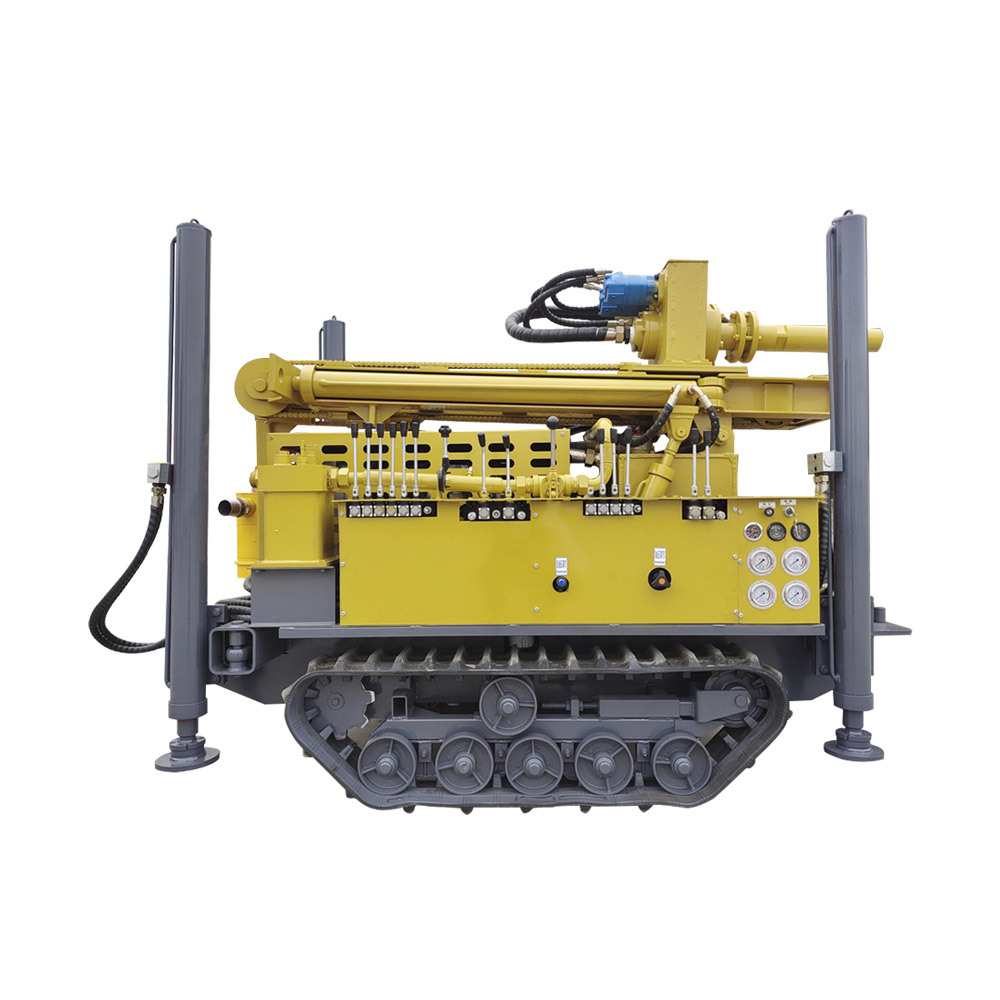
3.2 Key Components of Mini Water Borehole Rigs
Key components of mini borehole rigs include:
- **Drilling Head**: The part that actually penetrates the ground.
- **Mast**: Supports the drilling apparatus and holds it in place.
- **Power Source**: Typically a diesel engine that powers the rig.
- **Drill Rods**: Connect the drilling head to the power source.
By ensuring your team is familiar with these components, they can troubleshoot problems and maintain the equipment properly.
4. Developing a Training Program Structure
Creating an organized training program is essential for effective learning. A structured approach allows for comprehensive coverage of all necessary topics.
4.1 Creating Training Modules
Break the training program into manageable modules, each focusing on a specific aspect of rig operation. Topics might include:
1. **Equipment Overview**
2. **Safety Protocols**
3. **Operational Techniques**
4. **Maintenance Procedures**
Each module should have clear objectives and expected outcomes.
4.2 Incorporating Hands-On Training
Hands-on training is crucial when it comes to operating mini water borehole rigs. Provide opportunities for team members to practice using the equipment under supervision. This practical experience reinforces theoretical knowledge and builds confidence in their ability to operate the rig effectively.
5. Safety Protocols and Best Practices
Safety cannot be emphasized enough when operating heavy machinery. Training must include comprehensive safety protocols, such as:
- **Personal Protective Equipment (PPE)**: Ensure every team member understands the importance of wearing appropriate PPE, including helmets, gloves, and safety boots.
- **Emergency Procedures**: Outline clear steps to follow in case of an accident or malfunction.
- **Regular Safety Drills**: Conduct routine drills to prepare your team for potential emergencies.
Instilling a strong safety culture within your team is fundamental to successful operations.
6. Assessing Competence and Skills
After training, it’s crucial to assess the competence of your team members. This can be achieved through:
- **Written Tests**: Evaluate their understanding of the theoretical aspects of rig operation.
- **Practical Assessments**: Observe their ability to operate the rig safely and effectively.
- **Feedback from Supervisors**: Gather insights from experienced operators about the performance of new trainees.
These assessments help identify strengths and areas for improvement, ensuring that every member is adequately prepared for real-world challenges.
7. Continuous Improvement and Feedback
Training should not be a one-time event. Continuous improvement is vital in maintaining high operational standards. Encourage ongoing feedback from team members about training effectiveness and any challenges they face. Regularly update training materials to reflect any advancements in technology or changes in safety regulations.
Consider establishing a mentorship program where more experienced team members can guide newcomers. This fosters an environment of collaboration and promotes knowledge sharing within your team.
8. Conclusion
Training your team on mini water borehole rig operations is a multifaceted process that requires careful planning and execution. By providing a structured training program that encompasses understanding the equipment, safety protocols, and hands-on practice, you can enhance your team's skills and efficiency. Continuous improvement and feedback ensure that your training efforts evolve with advancements in technology and operational best practices. A well-trained team not only boosts productivity but also creates a safer working environment. Invest in your team’s education and watch your projects thrive.
9. Frequently Asked Questions (FAQs)
1. What is a mini water borehole rig?
A mini water borehole rig is a compact drilling machine designed to access underground water sources. It's commonly used in agricultural, construction, and municipal projects.
2. How long does it take to train a team on mini borehole rig operations?
Training duration varies based on the complexity of the rig and the experience of the team. Generally, a comprehensive training program can take several days to weeks.
3. What safety gear is necessary when operating a borehole rig?
Essential safety gear includes helmets, gloves, safety boots, and eye protection. Proper PPE helps prevent injuries during operation.
4. Can inexperienced workers learn to operate a mini borehole rig?
Yes, with proper training and supervision, inexperienced workers can learn to operate a mini borehole rig effectively. Hands-on training is particularly beneficial.
5. What are the common challenges in operating mini borehole rigs?
Common challenges include equipment malfunction, difficult soil conditions, and safety compliance. Regular maintenance and thorough training can mitigate these issues.
PREVIOUS:




ONLINE MESSAGES
Add.: Industrial Park Area, Mengyin, Linyi, Shandong, China
Tel: Jean 86-15963257090
John 86-15966923349