


NEWS CENTER
Essential Insights on Borehole Drilling Equipment: A Comprehensive Guide
May 11,2026
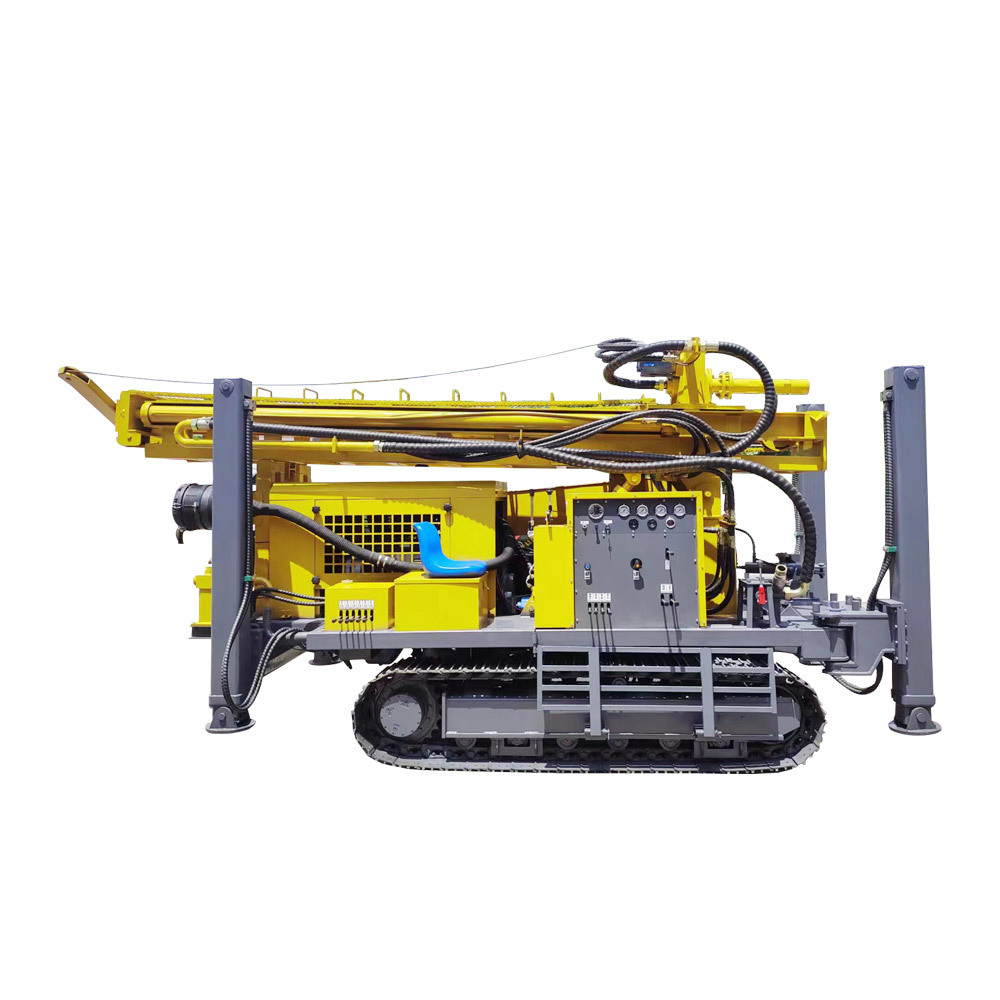
Borehole drilling equipment plays a pivotal role in several industries, particularly in the manufacturing and construction sectors. This type of equipment is essential for creating deep holes in the ground, which are often required for water extraction, mineral exploration, geothermal energy, and environmental research. The efficiency and effectiveness of these operations heavily depend on the quality and type of drilling equipment utilized.
There are various types of borehole drilling equipment, each designed for specific applications. The most common types include rotary drilling rigs, percussion drilling rigs, and auger drilling rigs. Rotary drilling rigs are often used for deep boreholes, as they provide the necessary torque and stability to drill through tough geological formations. These rigs can accommodate a variety of drill bits, allowing for adaptability in different soil types.
Percussion drilling rigs, on the other hand, operate by repeatedly striking the drill bit against the ground. This method is particularly effective in rocky terrains where traditional methods may struggle. Auger drilling rigs utilize a screw-like tool to extract soil and rock, making them suitable for shallow boreholes and areas with softer soil conditions. Each type of equipment has its unique advantages, and the choice largely depends on the specific needs of the project.
When selecting borehole drilling equipment, several factors must be considered. The geology of the drilling site is paramount; understanding soil composition, rock types, and groundwater levels can significantly influence equipment selection. Additionally, project scale and depth requirements should guide the choice of equipment. For instance, large-scale projects may necessitate more powerful rigs with advanced technology, while smaller tasks might only require basic units.
Safety is another critical aspect when operating borehole drilling equipment. Proper training for operators is essential to minimize risks associated with drilling, such as equipment failure or accidents. Regular maintenance of the equipment ensures optimal performance and longevity, reducing the likelihood of costly downtime.
In conclusion, understanding borehole drilling equipment is vital for anyone involved in the manufacturing and construction sectors. The right equipment not only enhances efficiency and productivity but also ensures that projects are completed safely and successfully. By considering the type of drilling equipment suited for specific applications and prioritizing safety and maintenance, businesses can achieve better outcomes in their drilling operations.
There are various types of borehole drilling equipment, each designed for specific applications. The most common types include rotary drilling rigs, percussion drilling rigs, and auger drilling rigs. Rotary drilling rigs are often used for deep boreholes, as they provide the necessary torque and stability to drill through tough geological formations. These rigs can accommodate a variety of drill bits, allowing for adaptability in different soil types.
Percussion drilling rigs, on the other hand, operate by repeatedly striking the drill bit against the ground. This method is particularly effective in rocky terrains where traditional methods may struggle. Auger drilling rigs utilize a screw-like tool to extract soil and rock, making them suitable for shallow boreholes and areas with softer soil conditions. Each type of equipment has its unique advantages, and the choice largely depends on the specific needs of the project.
When selecting borehole drilling equipment, several factors must be considered. The geology of the drilling site is paramount; understanding soil composition, rock types, and groundwater levels can significantly influence equipment selection. Additionally, project scale and depth requirements should guide the choice of equipment. For instance, large-scale projects may necessitate more powerful rigs with advanced technology, while smaller tasks might only require basic units.
Safety is another critical aspect when operating borehole drilling equipment. Proper training for operators is essential to minimize risks associated with drilling, such as equipment failure or accidents. Regular maintenance of the equipment ensures optimal performance and longevity, reducing the likelihood of costly downtime.
In conclusion, understanding borehole drilling equipment is vital for anyone involved in the manufacturing and construction sectors. The right equipment not only enhances efficiency and productivity but also ensures that projects are completed safely and successfully. By considering the type of drilling equipment suited for specific applications and prioritizing safety and maintenance, businesses can achieve better outcomes in their drilling operations.




ONLINE MESSAGES
Add.: Industrial Park Area, Mengyin, Linyi, Shandong, China
Tel: Jean 86-15963257090
John 86-15966923349