


NEWS CENTER
Maximizing Output: Best Practices for Operating Crawler Water Well Drilling Rigs
Mar 03,2026
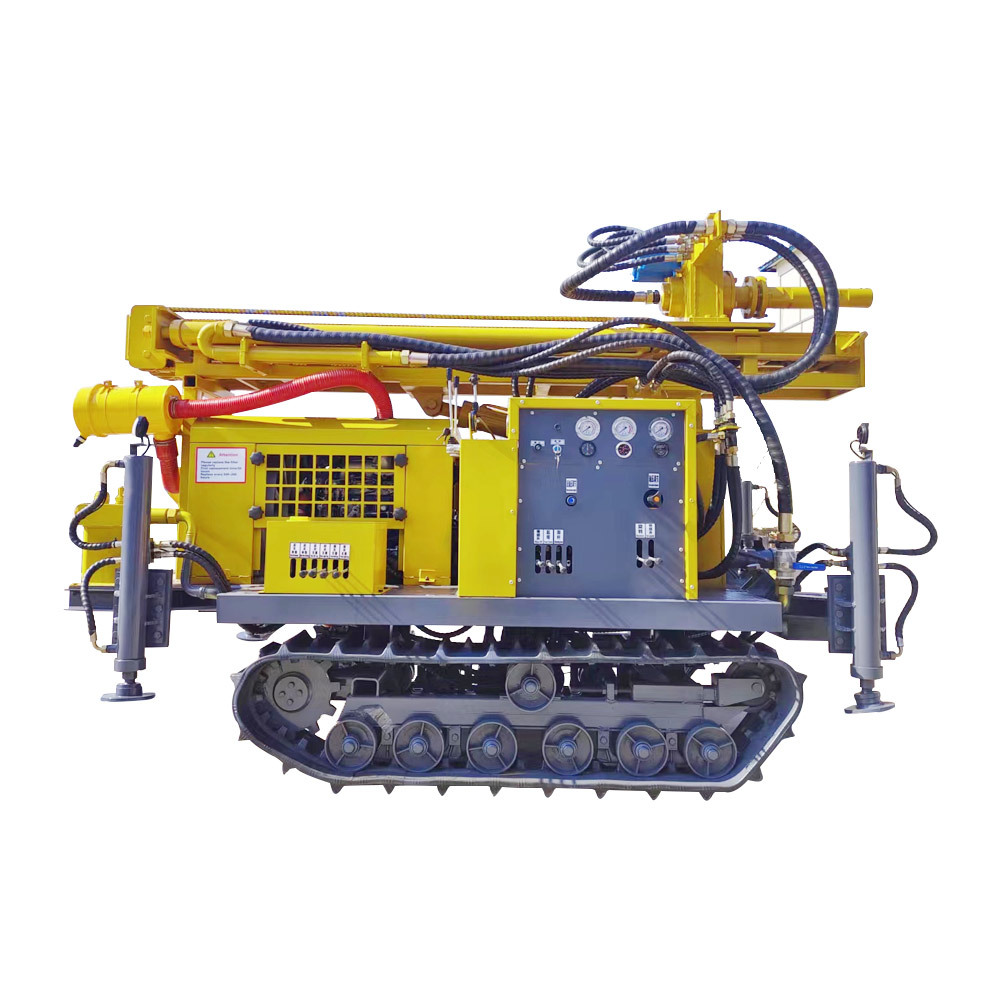
Maximizing Output: Best Practices for Operating Crawler Water Well Drilling Rigs
Operating crawler water well drilling rigs can be a challenging yet rewarding endeavor. These powerful machines are essential for various applications, from agriculture to construction. To ensure optimal performance and output, it is crucial to implement best practices in operation, maintenance, and planning. This article delves into proven strategies and techniques that maximize the efficiency of crawler water well drilling rigs.
Table of Contents
- Understanding Crawler Water Well Drilling Rigs
- The Importance of Proper Training for Operators
- Preventive Maintenance Strategies for Crawler Rigs
- Operational Techniques to Maximize Output
- Choosing the Right Drilling Techniques
- Efficient Use of Drilling Fluids
- Safety Considerations While Drilling
- Troubleshooting Common Issues with Crawler Rigs
- Conclusion
- FAQs
Understanding Crawler Water Well Drilling Rigs
Crawler water well drilling rigs are specialized machinery designed for drilling deep holes into the ground to access groundwater. These rigs feature tracks that provide excellent mobility across rugged terrain, making them ideal for remote locations. They come equipped with advanced drilling technologies, allowing operators to bore through various substrates, from soft soils to hard rock formations.
The Components of Crawler Water Well Drilling Rigs
For operators to maximize output, a fundamental understanding of a crawler rig's components is essential. Key components include:
- Drill Bit: The drill bit is the cutting tool that penetrates the ground. Selecting the right bit is crucial for efficiency.
- Drilling Head: This component drives the drill bit and controls the penetration rate.
- Power System: Typically hydraulic, the power system operates the rig and its various functions.
- Tracks: Crawler tracks allow for stability and mobility, especially on uneven surfaces.
- Control Panel: Operators use the control panel to manage the rig's functions, including speed and pressure.
The Importance of Proper Training for Operators
One of the most critical factors in maximizing the output of crawler water well drilling rigs is ensuring that operators receive comprehensive training. Well-trained operators are equipped to handle the rig more efficiently and are more adept at troubleshooting potential issues.
Key Training Areas
Training should cover several key areas:
- Safety Protocols: Understanding safety measures to prevent accidents.
- Equipment Operation: Familiarity with controls and operating procedures.
- Maintenance Knowledge: Basic maintenance skills to perform routine checks.
- Drilling Techniques: Knowledge of various drilling methods and their applications.
Preventive Maintenance Strategies for Crawler Rigs
Preventive maintenance is vital for ensuring the longevity and efficiency of crawler water well drilling rigs. Regular inspections and maintenance routines can prevent unexpected breakdowns that lead to costly downtimes.
Essential Maintenance Tasks
Implement the following preventive maintenance tasks:
- Daily Inspections: Check fluid levels, hoses, and electrical systems before operation.
- Regular Lubrication: Ensure all moving parts are adequately lubricated to avoid wear and tear.
- Track Maintenance: Inspect and adjust track tension regularly to ensure stability.
- Hydraulic System Checks: Monitor hydraulic fluid levels and replace filters as needed.
Operational Techniques to Maximize Output
Beyond maintenance, adopting specific operational techniques can significantly enhance the output of crawler water well drilling rigs.
Optimizing Drilling Parameters
Adjusting drilling parameters such as weight on bit, rotation speed, and feed rate can lead to more efficient drilling. Operators should monitor these parameters closely and make adjustments based on the substrate being drilled.
Effective Communication on Site
Maintaining open lines of communication among team members can help in identifying issues early, thereby minimizing downtime.
Choosing the Right Drilling Techniques
Different drilling techniques are suitable for various geological conditions. Selecting the appropriate method is critical for maximizing output.
Common Drilling Techniques
- Rotary Drilling: Best for soft to medium soil and rock.
- Percussion Drilling: Effective for hard rock formations.
- Auger Drilling: Ideal for loose soils and shallow depths.
Efficient Use of Drilling Fluids
Drilling fluids play a crucial role in maintaining borehole stability, cooling the drill bit, and transporting cuttings out of the hole. Using the right type and quantity of drilling fluid can significantly impact drilling efficiency.
Types of Drilling Fluids
There are several types of drilling fluids:
- Water-based Fluids: Commonly used for most drilling applications.
- Oil-based Fluids: Suitable for challenging formations where stability is a concern.
- Foam Fluids: Effective in certain conditions, particularly in unstable formations.
Safety Considerations While Drilling
Ensuring safety on the drilling site is paramount. Operators must be aware of potential hazards and adhere to safety protocols.
Key Safety Practices
- Personal Protective Equipment (PPE): Always wear appropriate safety gear.
- Site Safety Audits: Conduct regular audits to identify potential hazards.
- Emergency Procedures: Have clear emergency protocols in place and ensure all team members are familiar with them.
Troubleshooting Common Issues with Crawler Rigs
Even with proper maintenance and operation, issues may arise. Knowing how to troubleshoot common problems can save time and money.
Common Problems and Solutions
- Drilling Stuck: Assess the drilling parameters and consider backing off the bit or changing the drilling fluid.
- Hydraulic Failures: Check for leaks and ensure the hydraulic fluid is at the recommended level.
- Track Issues: Inspect for wear and adjust tension as necessary to prevent slippage.
Conclusion
Maximizing the output of crawler water well drilling rigs requires a multifaceted approach, encompassing thorough training, maintenance, and operational techniques. By implementing the best practices outlined in this article, operators can enhance efficiency, reduce downtime, and improve overall project outcomes. As technology advances, staying informed and adaptable will further ensure that your drilling operations remain at the forefront of the industry.
FAQs
What is a crawler water well drilling rig?
A crawler water well drilling rig is a type of drilling machine designed to access groundwater by boring deep holes into the earth's surface. It features a track system for mobility and stability on uneven terrains.
How often should preventive maintenance be performed on drilling rigs?
Preventive maintenance should be performed regularly, with daily inspections and more in-depth checks scheduled weekly or monthly depending on usage and manufacturer recommendations.
What are the most common drilling techniques used with crawler rigs?
Common drilling techniques include rotary drilling, percussion drilling, and auger drilling, each suitable for different geological conditions.
Why is operator training important for crawler rig operation?
Proper training ensures that operators understand safety protocols, equipment handling, and troubleshooting, ultimately improving efficiency and reducing the risk of accidents.
How can I improve drilling fluid efficiency?
To improve drilling fluid efficiency, select the appropriate type for your specific conditions, monitor fluid levels, and adjust the flow rate according to the drilling parameters.
PREVIOUS:




ONLINE MESSAGES
Add.: Industrial Park Area, Mengyin, Linyi, Shandong, China
Tel: Jean 86-15963257090
John 86-15966923349