


NEWS CENTER
Understanding Borehole Drilling Equipment: A Comprehensive Guide
Mar 12,2026
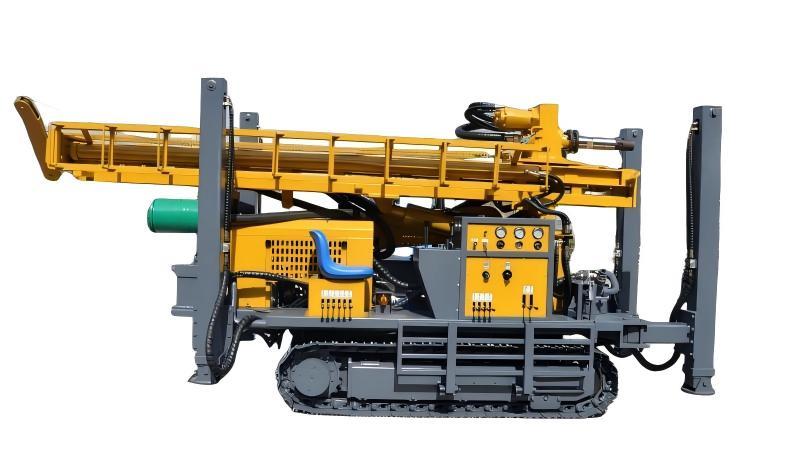
Borehole drilling equipment is an essential asset in various industrial sectors, particularly in manufacturing and construction. This equipment is designed to create deep, narrow holes in the ground, known as boreholes, which serve multiple purposes including water extraction, geological exploration, and mineral investigation. Understanding the functionality and components of borehole drilling equipment can enhance operational efficiency and effectiveness.
At its core, borehole drilling equipment consists of several critical components. The drilling rig is the most prominent part, which provides the necessary power and structural support during the drilling process. There are different types of rigs, including rotary, cable tool, and percussion rigs, each suited for specific geological conditions and applications. The choice of rig affects not only the efficiency of drilling but also the quality of the borehole produced.
Another critical component is the drill bit. Drill bits come in various shapes and sizes, designed for different rock formations and soil types. The proper selection of a drill bit can significantly improve the speed and effectiveness of the drilling operation. For instance, diamond-tipped bits are often used for hard rock formations, while tricone bits may be suitable for softer materials.
Additionally, the drilling fluid, often referred to as mud, plays a crucial role in the drilling process by cooling the drill bit, removing cuttings from the borehole, and stabilizing the well walls. The composition of the drilling fluid can vary depending on the specific requirements of the drilling operation, further highlighting the importance of understanding borehole drilling equipment.
Borehole drilling is not limited to water well drilling. It is also widely used in environmental monitoring, mineral exploration, and geotechnical investigations. For example, in environmental applications, boreholes can be used to assess soil contamination or groundwater quality. In mineral exploration, boreholes allow for the collection of samples from underground reserves, which is invaluable for determining resource viability.
Moreover, with advancements in technology, modern borehole drilling equipment has become more sophisticated, incorporating features such as automation and enhanced precision. These innovations not only improve the safety and efficiency of drilling operations but also reduce overall costs and environmental impact.
In conclusion, understanding borehole drilling equipment is fundamental for professionals in the manufacturing and construction industries. By comprehensively grasping the components, functions, and applications of this equipment, businesses can optimize their drilling projects, ensuring they meet industry standards while achieving their operational goals. Whether for water extraction or geological exploration, the proper use of borehole drilling equipment can make a significant difference in project outcomes.
At its core, borehole drilling equipment consists of several critical components. The drilling rig is the most prominent part, which provides the necessary power and structural support during the drilling process. There are different types of rigs, including rotary, cable tool, and percussion rigs, each suited for specific geological conditions and applications. The choice of rig affects not only the efficiency of drilling but also the quality of the borehole produced.
Another critical component is the drill bit. Drill bits come in various shapes and sizes, designed for different rock formations and soil types. The proper selection of a drill bit can significantly improve the speed and effectiveness of the drilling operation. For instance, diamond-tipped bits are often used for hard rock formations, while tricone bits may be suitable for softer materials.
Additionally, the drilling fluid, often referred to as mud, plays a crucial role in the drilling process by cooling the drill bit, removing cuttings from the borehole, and stabilizing the well walls. The composition of the drilling fluid can vary depending on the specific requirements of the drilling operation, further highlighting the importance of understanding borehole drilling equipment.
Borehole drilling is not limited to water well drilling. It is also widely used in environmental monitoring, mineral exploration, and geotechnical investigations. For example, in environmental applications, boreholes can be used to assess soil contamination or groundwater quality. In mineral exploration, boreholes allow for the collection of samples from underground reserves, which is invaluable for determining resource viability.
Moreover, with advancements in technology, modern borehole drilling equipment has become more sophisticated, incorporating features such as automation and enhanced precision. These innovations not only improve the safety and efficiency of drilling operations but also reduce overall costs and environmental impact.
In conclusion, understanding borehole drilling equipment is fundamental for professionals in the manufacturing and construction industries. By comprehensively grasping the components, functions, and applications of this equipment, businesses can optimize their drilling projects, ensuring they meet industry standards while achieving their operational goals. Whether for water extraction or geological exploration, the proper use of borehole drilling equipment can make a significant difference in project outcomes.




ONLINE MESSAGES
Add.: Industrial Park Area, Mengyin, Linyi, Shandong, China
Tel: Jean 86-15963257090
John 86-15966923349