


NEWS CENTER
From Concept to Completion: Effectively Using Mini Water Borehole Rigs for Efficient Water Extraction
Apr 14,2026
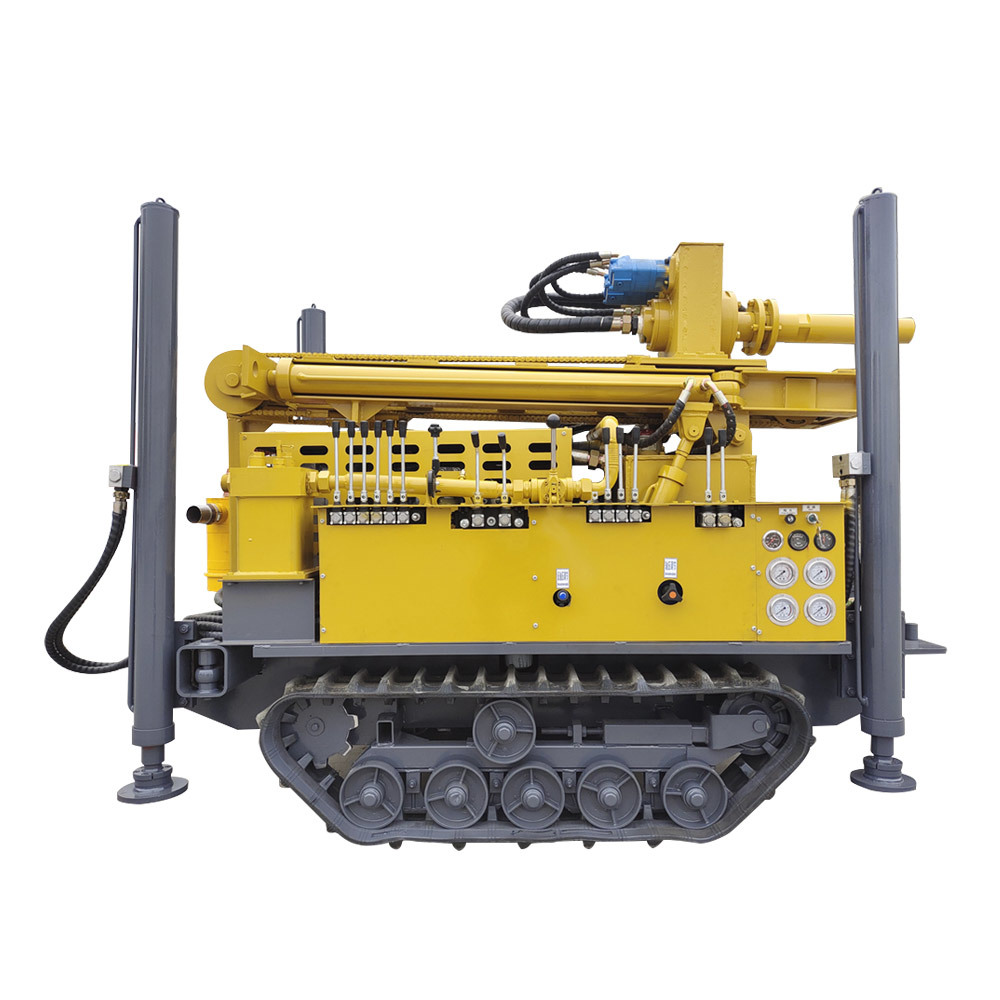
From Concept to Completion: Effectively Using Mini Water Borehole Rigs for Efficient Water Extraction
Table of Contents
- Understanding Mini Water Borehole Rigs
- Benefits of Using Mini Water Borehole Rigs
- Planning Your Water Borehole Project
- Designing the Borehole
- Operating Mini Water Borehole Rigs
- Maintenance and Care of Mini Water Borehole Rigs
- Case Studies: Successful Mini Water Borehole Projects
- Frequently Asked Questions
- Conclusion
Understanding Mini Water Borehole Rigs
Mini water borehole rigs are specialized pieces of equipment designed to drill small-diameter boreholes efficiently. These rigs are particularly useful in areas where traditional drilling methods are impractical due to space constraints or environmental concerns. With advances in technology, mini borehole rigs have become more efficient, affordable, and easier to operate, making them ideal for various applications, including agriculture, construction, and domestic water supply.
Benefits of Using Mini Water Borehole Rigs
Utilizing mini water borehole rigs offers numerous advantages:
- Cost-Effective: Mini rigs often require less investment and operational costs compared to larger drilling equipment.
- Portability: Their compact size allows for easy transport and setup in remote or difficult-to-access areas.
- Reduced Environmental Impact: Mini rigs create less surface disruption and are more environmentally friendly than larger rigs.
- Versatility: Suitable for various applications, including drinking water supply, irrigation, and geotechnical investigations.
Planning Your Water Borehole Project
Proper planning is crucial for the success of any water borehole project. Here are essential steps to consider:
Identifying Water Needs
Understand the specific water requirements for your project. Are you drilling for agricultural use, residential supply, or industrial applications? This information will guide the borehole depth, diameter, and location.
Conducting Site Surveys
Before drilling, conduct thorough site surveys to identify geological conditions, existing water sources, and local regulations. Collaborate with geologists or hydrogeologists to assess the site's potential for water extraction.
Regulatory Considerations
Familiarize yourself with local regulations regarding water extraction. Ensure you obtain the necessary permits and approvals before commencing drilling operations.
Designing the Borehole
Designing the borehole involves several critical elements:
Borehole Depth and Diameter
The depth and diameter of the borehole should be determined based on the geological survey findings and water needs. A deeper borehole may be necessary for areas with limited groundwater.
Drilling Method
Select an appropriate drilling method based on the soil and rock conditions. Options include rotary drilling, percussion drilling, and auger drilling. Each method has its advantages and suitability based on your project requirements.
Operating Mini Water Borehole Rigs
Once the planning and design phases are complete, it’s time to operate the mini water borehole rig effectively:
Pre-Operation Checks
Before drilling, conduct a series of pre-operation checks. Ensure the rig is in good working condition, and all safety protocols are in place. Check for fuel levels, hydraulic systems, and drill bits.
Drilling Process
Begin the drilling process, maintaining a steady pace to avoid damaging the rig or the borehole. Monitor the drilling parameters and adjust as needed to ensure optimal performance.
Safety Measures
Safety should always be a priority during drilling operations. Ensure all personnel are trained in safety procedures and equipped with appropriate personal protective equipment (PPE).
Maintenance and Care of Mini Water Borehole Rigs
After using the mini water borehole rig, proper maintenance is essential for prolonging its lifespan:
Regular Inspections
Conduct regular inspections to identify any wear and tear. Check hydraulic systems, drill bits, and structural integrity to ensure everything is functioning correctly.
Cleaning and Lubrication
Keep the rig clean and free of debris. Regularly lubricate moving parts to maintain optimal performance and prevent breakdowns.
Case Studies: Successful Mini Water Borehole Projects
Examining successful case studies can provide valuable insights and lessons learned:
Case Study 1: Agricultural Water Supply
A local farm implemented mini borehole rigs to provide irrigation for their crops. Through careful planning and execution, they achieved a significant increase in yield and reduced water costs.
Case Study 2: Community Water Access
A non-profit organization deployed mini borehole rigs to increase access to clean drinking water in a remote community. The project not only improved health outcomes but also empowered the local population.
Frequently Asked Questions
1. What is a mini water borehole rig?
A mini water borehole rig is a compact drilling machine designed for creating small-diameter boreholes for water extraction.
2. How deep can a mini water borehole rig drill?
The depth varies based on the geological conditions, but mini rigs typically drill depths ranging from 30 meters to over 100 meters.
3. What kind of maintenance do mini water borehole rigs require?
Regular inspections, cleaning, lubrication, and timely repairs are essential to maintain the performance of mini water borehole rigs.
4. Are mini water borehole rigs environmentally friendly?
Yes, mini rigs generally have a smaller environmental footprint compared to larger rigs, as they create less surface disruption and are more efficient.
5. Can mini water borehole rigs be used in rocky terrains?
Yes, many mini water borehole rigs are designed to handle a variety of terrains, including rocky conditions, although the drilling method may need to be adjusted accordingly.
Conclusion
Effectively utilizing mini water borehole rigs from concept to completion involves careful planning, design, operation, and maintenance. By understanding the advantages of these rigs and following best practices, individuals and organizations can successfully implement water extraction projects that meet their needs. Whether for agricultural, residential, or community water supply, mini water borehole rigs provide a reliable and efficient solution for accessing vital water resources. Embracing these technologies not only enhances operational efficiency but also contributes to sustainable water management practices.




ONLINE MESSAGES
Add.: Industrial Park Area, Mengyin, Linyi, Shandong, China
Tel: Jean 86-15963257090
John 86-15966923349