


NEWS CENTER
Understanding the Costs Associated with Exploration Drilling Rigs: A Comprehensive Guide
Jul 07,2026
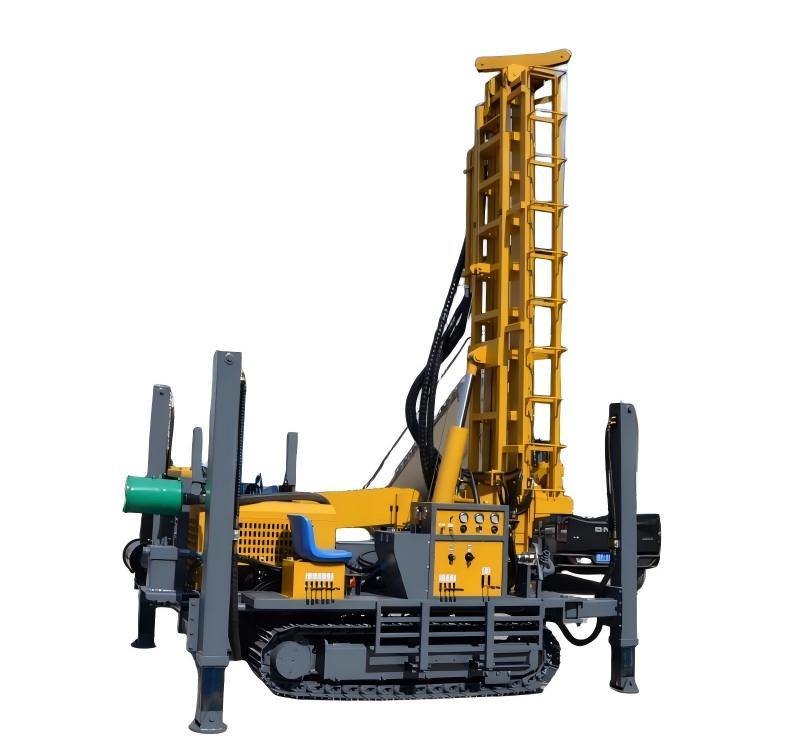
Understanding the Costs Associated with Exploration Drilling Rigs
Introduction to Exploration Drilling Rigs
Exploration drilling rigs are crucial in the resource extraction industry, particularly in locating and evaluating natural resources like oil and gas. These rigs are specifically designed to penetrate the earth's crust to assess geological formations. As we delve into the costs associated with these rigs, it becomes evident that various factors influence overall expenses, from equipment acquisition to operational costs.
The Importance of Accurate Budgeting in Exploration Drilling
Accurate budgeting is essential for any exploration drilling project. Not only does it ensure that funds are allocated efficiently, but it also helps in anticipating potential challenges that may arise during the drilling process. A comprehensive understanding of the costs involved can lead to more successful project execution and better financial forecasting.
Key Factors Influencing Exploration Drilling Rig Costs
Several key factors impact the costs associated with exploration drilling rigs:
1. Type of Rig
The type of exploration drilling rig plays a significant role in determining the costs. Rigs can be categorized into rotary, cable tool, and other specialized types, each with unique price points and operational capabilities. Rotary rigs tend to be more expensive due to their advanced technology and higher efficiency.
2. Location and Accessibility
The geographical location of the drilling site significantly affects costs. Remote or challenging terrains may require additional logistics, such as transportation and specialized equipment, which can inflate project budgets. Conversely, accessible sites might reduce costs but present different challenges regarding environmental regulations and community relations.
3. Labor Costs
Labor costs can vary widely based on the skill level required for the project and the local labor market. Skilled personnel, such as geologists, drill operators, and safety specialists, command higher wages. Additionally, operational shifts and working conditions can influence labor costs, impacting overall project budgets.
4. Equipment and Maintenance
Investing in high-quality equipment is crucial for successful drilling operations. However, the initial cost of purchasing or leasing drilling rigs can be substantial. Moreover, ongoing maintenance and repairs are necessary to ensure operational efficiency and safety, contributing to long-term costs.
5. Environmental and Regulatory Compliance
Compliance with environmental regulations is mandatory in exploration drilling. Costs associated with obtaining permits and conducting environmental assessments can add substantial expenses to drilling projects. Companies must budget for these costs to avoid penalties and project delays.
Breaking Down the Costs: A Detailed Analysis
To better understand exploration drilling rig costs, we can categorize expenses into various segments:
1. Initial Investment Costs
The initial investment for exploration drilling rigs includes the purchase or lease price of the rig and associated equipment, such as drilling tools and safety gear. This upfront cost can range from several hundred thousand to millions of dollars, depending on the rig's specifications and capabilities.
2. Operational Costs
Operational costs encompass all expenses incurred during the drilling process. This includes fuel, equipment maintenance, and labor costs. Operators should also consider costs related to logistics, such as transporting materials and personnel to and from the drilling site.
3. Site Preparation Expenses
Preparing the drilling site can incur significant costs. This includes clearing land, establishing access routes, and implementing necessary infrastructure, such as water sources for drilling. Site preparation is critical to ensure that the drilling process runs smoothly and without disruptions.
4. Contingency Costs
Every exploration drilling project should account for contingency costs. Unforeseen circumstances, such as equipment failures or adverse weather conditions, can lead to additional expenses. It's prudent to allocate a percentage of the overall budget to handle potential contingencies.
5. Decommissioning Costs
Once drilling operations are complete, companies must also consider decommissioning costs. Properly closing down operations, restoring the site, and disposing of any hazardous materials are vital steps that can carry substantial expenses.
Case Studies: Cost Analysis in Real-World Exploration Drilling Projects
Analyzing real-world examples can provide valuable insights into the costs associated with exploration drilling rigs.
Case Study 1: Offshore Drilling Project
An offshore drilling project in the Gulf of Mexico incurred high initial costs due to specialized equipment and maritime regulations. The total budget exceeded $150 million, primarily due to rig leasing, logistics, and environmental compliance. However, the successful extraction of oil led to significant returns on investment.
Case Study 2: Onshore Natural Gas Exploration
In a recent onshore natural gas exploration project, the company faced unexpected site preparation challenges, which led to a 20% increase in the overall budget. The need for additional infrastructure resulted in higher costs. Nevertheless, careful planning and cost management allowed the project to remain profitable.
Strategies for Managing Exploration Drilling Rig Costs
Effective cost management strategies can help companies optimize their budgets and enhance project performance.
1. Conducting Thorough Planning and Feasibility Studies
Before initiating any drilling project, conducting comprehensive planning and feasibility studies is essential. Assessing all potential costs and challenges upfront allows for better budgeting and resource allocation.
2. Investing in Technology and Training
Investing in advanced technology can enhance drilling efficiency and reduce operational costs. Furthermore, providing training for personnel ensures that the team is well-equipped to handle equipment and follow safety protocols, minimizing accidents and downtime.
3. Establishing Strong Vendor Relationships
Building strong relationships with equipment suppliers and service providers can lead to discounts and favorable terms. Negotiating contracts ahead of time and leveraging long-term partnerships can significantly reduce costs.
4. Implementing Efficient Resource Management
Utilizing advanced project management software can help track expenses and resource allocation, allowing for real-time adjustments to the budget. Efficient resource management ensures that the project remains on track and within financial limits.
Future Trends in Exploration Drilling Rig Costs
As technology and regulations continue to evolve, several trends may shape the costs associated with exploration drilling rigs.
1. Emphasis on Sustainability
With growing environmental awareness, exploration drilling companies are focusing more on sustainable practices. Implementing eco-friendly technologies may incur higher initial costs but can lead to long-term savings and improved public perception.
2. Advances in Drilling Technology
Innovations in drilling technology, such as automation and remote monitoring, are expected to reduce operational costs in the future. These advancements can lead to safer and more efficient drilling processes, ultimately benefiting company budgets.
3. Increasing Regulatory Pressures
As environmental regulations continue to tighten, companies will likely face higher compliance costs. Staying ahead of regulatory changes and proactively addressing environmental concerns will be crucial for cost management.
Frequently Asked Questions (FAQs)
1. What are the main costs associated with exploration drilling rigs?
The main costs include initial investment, operational expenses, site preparation, contingency costs, and decommissioning expenses.
2. How do location and accessibility impact drilling costs?
Remote locations may require additional logistics and equipment, leading to higher costs, while accessible sites may have lower direct costs but present different regulatory challenges.
3. What types of drilling rigs are available for exploration?
Common types of exploration drilling rigs include rotary rigs, cable tool rigs, and specialized rigs designed for specific geological conditions.
4. Why is budgeting important for exploration drilling projects?
Accurate budgeting allows for efficient fund allocation, helps anticipate challenges, and ensures successful project execution.
5. How can companies manage costs effectively?
Companies can manage costs through thorough planning, investing in technology, building strong vendor relationships, and implementing efficient resource management.
Conclusion
Understanding the costs associated with exploration drilling rigs is essential for any company involved in the engineering and construction machinery industry. By considering factors such as rig type, location, labor, and compliance, businesses can better budget their projects and enhance profitability. Through careful planning and strategic management, companies can navigate the complexities of exploration drilling and thrive in a competitive marketplace. Implementing technology and sustainable practices will not only optimize costs but also prepare businesses for the future challenges of the industry.
PREVIOUS:




ONLINE MESSAGES
Add.: Industrial Park Area, Mengyin, Linyi, Shandong, China
Tel: Jean 86-15963257090
John 86-15966923349