


NEWS CENTER
Essential Insights into Borehole Drilling Equipment for Engineering and Construction
Jul 10,2026
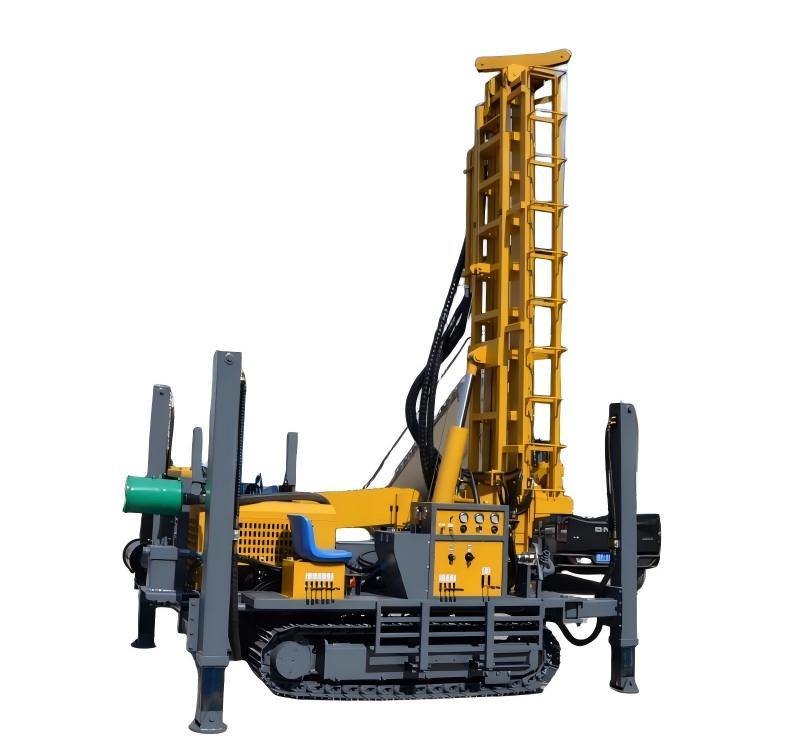
Borehole drilling equipment is vital for a multitude of applications, ranging from groundwater exploration to mineral extraction and even environmental assessments. Understanding the different types of equipment and their functionalities can significantly enhance the efficiency and effectiveness of drilling operations.
At the core of borehole drilling is the drilling rig, which serves as the primary machine for creating deep holes in the ground. These rigs come in various configurations, including rotary, percussion, and auger drilling rigs, each designed for specific geological conditions and project requirements. Rotary rigs, for example, utilize a rotating drill bit that breaks up the rock, while percussion rigs deliver rapid hammering motions to penetrate harder materials. The choice of rig often depends on factors such as soil type, depth of the borehole, and the nature of the project.
Another essential component of borehole drilling equipment is the drill bit itself. Drill bits are tailored to match the formation being drilled and can vary in size, shape, and material. Diamond bits are commonly used for harder rock formations, while carbide-tipped bits may be more suitable for softer soils. Selecting the right drill bit is critical as it directly impacts the drilling speed and the quality of the borehole.
Additionally, borehole drilling involves various ancillary equipment, including mud pumps, casing pipes, and drill collars. Mud pumps circulate drilling fluid, which helps cool the drill bit, stabilize the borehole, and carry cuttings to the surface. Casing pipes are installed to prevent the borehole from collapsing and to protect the groundwater from contamination. Drill collars add weight to the drill string, enhancing penetration rates in challenging formations.
When planning a borehole drilling project, several technical considerations should be addressed. These include site assessments to determine geological conditions, selecting the appropriate drilling method, and adhering to safety regulations. Proper training for operators and technicians is also essential to ensure the safe and efficient use of borehole drilling equipment.
In summary, understanding borehole drilling equipment and its components is crucial for successful engineering and construction projects. By carefully selecting the right drilling rig, drill bit, and supporting equipment, companies can enhance their drilling operations' efficiency, safety, and overall effectiveness. Whether for groundwater extraction, mineral exploration, or environmental evaluations, investing in the right borehole drilling equipment lays the foundation for successful outcomes in the field.
At the core of borehole drilling is the drilling rig, which serves as the primary machine for creating deep holes in the ground. These rigs come in various configurations, including rotary, percussion, and auger drilling rigs, each designed for specific geological conditions and project requirements. Rotary rigs, for example, utilize a rotating drill bit that breaks up the rock, while percussion rigs deliver rapid hammering motions to penetrate harder materials. The choice of rig often depends on factors such as soil type, depth of the borehole, and the nature of the project.
Another essential component of borehole drilling equipment is the drill bit itself. Drill bits are tailored to match the formation being drilled and can vary in size, shape, and material. Diamond bits are commonly used for harder rock formations, while carbide-tipped bits may be more suitable for softer soils. Selecting the right drill bit is critical as it directly impacts the drilling speed and the quality of the borehole.
Additionally, borehole drilling involves various ancillary equipment, including mud pumps, casing pipes, and drill collars. Mud pumps circulate drilling fluid, which helps cool the drill bit, stabilize the borehole, and carry cuttings to the surface. Casing pipes are installed to prevent the borehole from collapsing and to protect the groundwater from contamination. Drill collars add weight to the drill string, enhancing penetration rates in challenging formations.
When planning a borehole drilling project, several technical considerations should be addressed. These include site assessments to determine geological conditions, selecting the appropriate drilling method, and adhering to safety regulations. Proper training for operators and technicians is also essential to ensure the safe and efficient use of borehole drilling equipment.
In summary, understanding borehole drilling equipment and its components is crucial for successful engineering and construction projects. By carefully selecting the right drilling rig, drill bit, and supporting equipment, companies can enhance their drilling operations' efficiency, safety, and overall effectiveness. Whether for groundwater extraction, mineral exploration, or environmental evaluations, investing in the right borehole drilling equipment lays the foundation for successful outcomes in the field.
PREVIOUS:




ONLINE MESSAGES
Add.: Industrial Park Area, Mengyin, Linyi, Shandong, China
Tel: Jean 86-15963257090
John 86-15966923349