


NEWS CENTER
Why Crawler Drilling Rigs Are the Future of Construction
Jun 25,2026
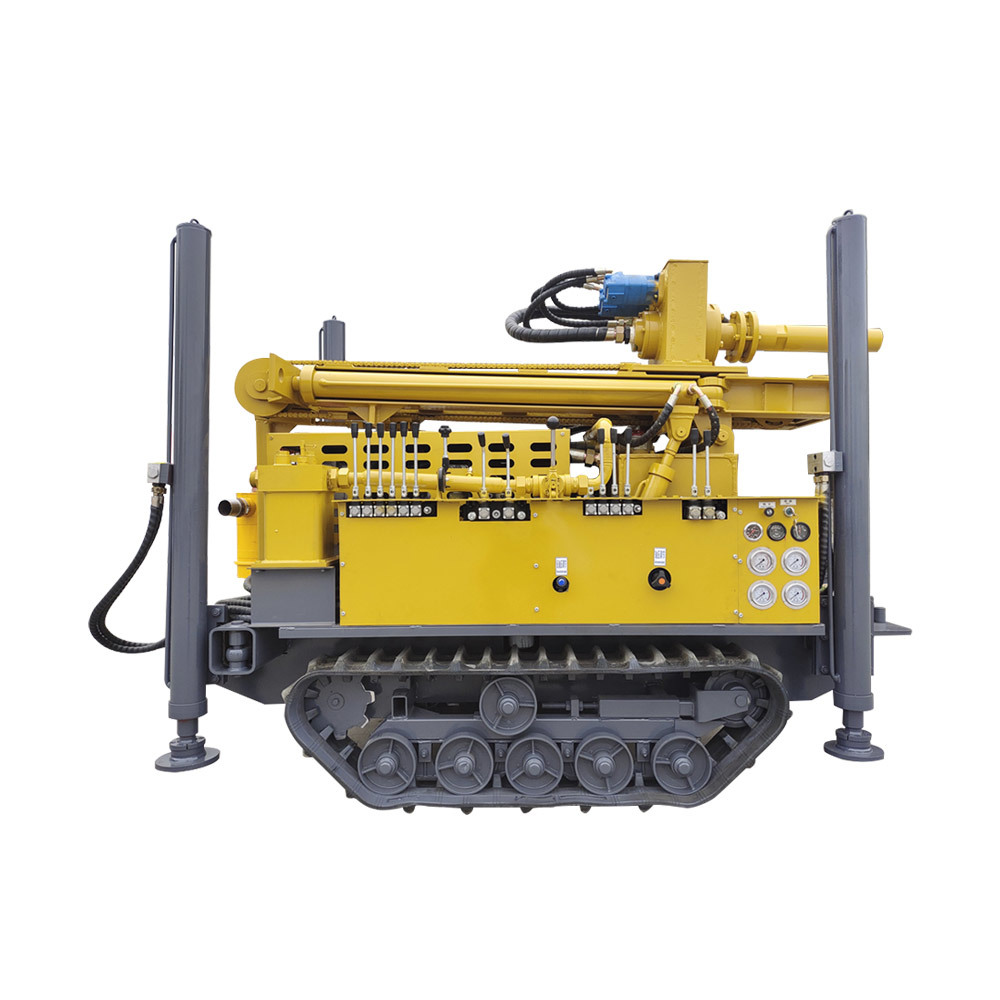
Why Crawler Drilling Rigs Are the Future of Construction
Table of Contents
- 1. Introduction to Crawler Drilling Rigs
- 2. Historical Context: The Evolution of Drilling Technology
- 3. Benefits of Crawler Drilling Rigs in Construction
- 3.1 Enhanced Efficiency and Speed
- 3.2 Versatility Across Different Environments
- 3.3 Safety Features and Operator Comfort
- 4. Technological Advancements in Crawler Drilling Rigs
- 5. Economic Impact of Using Crawler Drilling Rigs
- 6. Environmental Sustainability and Crawler Drilling Rigs
- 7. Case Studies: Successful Implementation of Crawler Drilling Rigs
- 8. Future Trends in Crawler Drilling Technology
- 9. Conclusion
- 10. Frequently Asked Questions (FAQs)
1. Introduction to Crawler Drilling Rigs
Crawler drilling rigs are increasingly becoming integral to the construction landscape. As versatility and efficiency become paramount in construction projects, these heavy-duty machines provide a solution that meets the demands of various terrains and applications. Unlike traditional drilling rigs, crawler rigs are designed to excel in challenging environments, making them an ideal choice for construction companies aiming to enhance productivity and precision.
2. Historical Context: The Evolution of Drilling Technology
The evolution of drilling technology has seen significant advancements over the decades. Early drilling techniques were labor-intensive and time-consuming, often resulting in inefficiencies and increased costs. As construction demands grew, machinery evolved, introducing electric and hydraulic systems that revolutionized drilling processes. Crawler drilling rigs represent the latest advancement, combining the lessons learned from past technologies with innovative engineering to create machines that are powerful, agile, and reliable.
3. Benefits of Crawler Drilling Rigs in Construction
Crawler drilling rigs offer a multitude of benefits that make them a preferred choice for construction projects. Here are some of the most significant advantages:
3.1 Enhanced Efficiency and Speed
The design of crawler drilling rigs allows for rapid mobilization and operation, significantly enhancing efficiency. These rigs can be deployed quickly to various job sites, reducing downtime and maximizing productivity. The ability to drill deeper and faster means projects can be completed on schedule, minimizing delays and associated costs.
3.2 Versatility Across Different Environments
One of the standout features of crawler drilling rigs is their versatility. They can operate effectively in diverse environments, from rocky and uneven terrains to urban settings. The adjustable tracks provide stability, allowing these machines to navigate challenging landscapes without compromising their performance. This adaptability makes them suitable for various applications, including foundation drilling, geothermal drilling, and utility installation.
3.3 Safety Features and Operator Comfort
Safety is crucial in any construction project, and crawler drilling rigs are designed with this in mind. Features such as advanced stabilization systems, operator protective cabins, and intuitive controls enhance the safety of both the machine and the operator. Additionally, ergonomic designs contribute to operator comfort, reducing fatigue and increasing productivity during long hours of operation.
4. Technological Advancements in Crawler Drilling Rigs
The construction industry is witnessing rapid technological advancements, and crawler drilling rigs are at the forefront of this evolution. Innovations in design and functionality are making these machines more efficient and user-friendly.
4.1 Automation and Remote Operation
The integration of automation in crawler drilling rigs is revolutionizing their operation. With remote control capabilities, operators can manage drilling processes from a safe distance, minimizing exposure to hazards. Automated systems also allow for precision drilling, improving accuracy and reducing human error.
4.2 Advanced Sensors and Monitoring Systems
Modern crawler drilling rigs are equipped with sophisticated sensor technology that monitors various parameters in real-time. These sensors provide valuable data on drilling depth, soil composition, and machine performance, enabling operators to make informed decisions swiftly. This data-driven approach enhances operational efficiency and helps in preemptively identifying potential issues.
5. Economic Impact of Using Crawler Drilling Rigs
Investing in crawler drilling rigs can yield substantial economic benefits for construction companies. The initial investment is often offset by the long-term savings associated with increased efficiency, reduced labor costs, and lower maintenance expenses. Furthermore, the ability to complete projects faster allows companies to take on more contracts, ultimately boosting their revenue and market competitiveness.
6. Environmental Sustainability and Crawler Drilling Rigs
As environmental concerns become more pressing, the construction industry is shifting towards sustainable practices. Crawler drilling rigs contribute to this movement by employing technologies that minimize waste and reduce the carbon footprint. Many models are designed to operate on alternative fuels or hybrid systems, further enhancing their eco-friendliness.
7. Case Studies: Successful Implementation of Crawler Drilling Rigs
Several projects worldwide have successfully implemented crawler drilling rigs, showcasing their effectiveness and versatility. For instance, a major urban infrastructure project in New York utilized crawler rigs for deep foundation work, allowing for quick and efficient drilling in a densely populated area. Similarly, a geothermal drilling project in California demonstrated the rigs' ability to operate in challenging geological conditions, achieving optimal results while adhering to tight deadlines.
8. Future Trends in Crawler Drilling Technology
The future of crawler drilling rigs is promising, with ongoing research and development focusing on enhancing their capabilities. Innovations such as AI-driven analytics are set to provide even more precise drilling solutions, while advancements in materials science will lead to lighter and more durable rigs. As the construction industry evolves, crawler drilling rigs will likely play an increasingly central role in meeting the demands of modern construction projects.
9. Conclusion
Crawler drilling rigs are undoubtedly shaping the future of construction. Their efficiency, versatility, and advanced technology position them as essential tools for modern construction practices. As the industry continues to evolve, embracing these machines will be crucial for companies aiming to stay competitive and meet the growing demands for faster, safer, and more sustainable construction solutions.
10. Frequently Asked Questions (FAQs)
1. What are crawler drilling rigs used for?
Crawler drilling rigs are used for various applications including foundation drilling, geothermal energy projects, and utility installation. Their versatility allows them to be employed in diverse environments and terrains.
2. How do crawler drilling rigs enhance safety on construction sites?
Crawler drilling rigs include safety features such as operator cabins, advanced stabilization systems, and ergonomic controls. These features protect operators and reduce the risk of accidents during operation.
3. Are crawler drilling rigs environmentally friendly?
Yes, many crawler drilling rigs are designed with sustainability in mind, operating on alternative fuels or hybrid systems that reduce emissions and minimize environmental impact.
4. How does automation benefit crawler drilling operations?
Automation allows for remote operation, which enhances safety by reducing operator exposure to hazardous conditions. It also improves drilling precision, minimizing human error and increasing efficiency.
5. What is the economic advantage of utilizing crawler drilling rigs?
Investing in crawler drilling rigs can lead to significant cost savings through increased operational efficiency, reduced labor costs, and lower maintenance expenses, ultimately boosting a company’s profitability.
PREVIOUS:




ONLINE MESSAGES
Add.: Industrial Park Area, Mengyin, Linyi, Shandong, China
Tel: Jean 86-15963257090
John 86-15966923349