


NEWS CENTER
Top Features to Look for in a Geotech Drill Rig: A Comprehensive Guide
Jun 19,2026
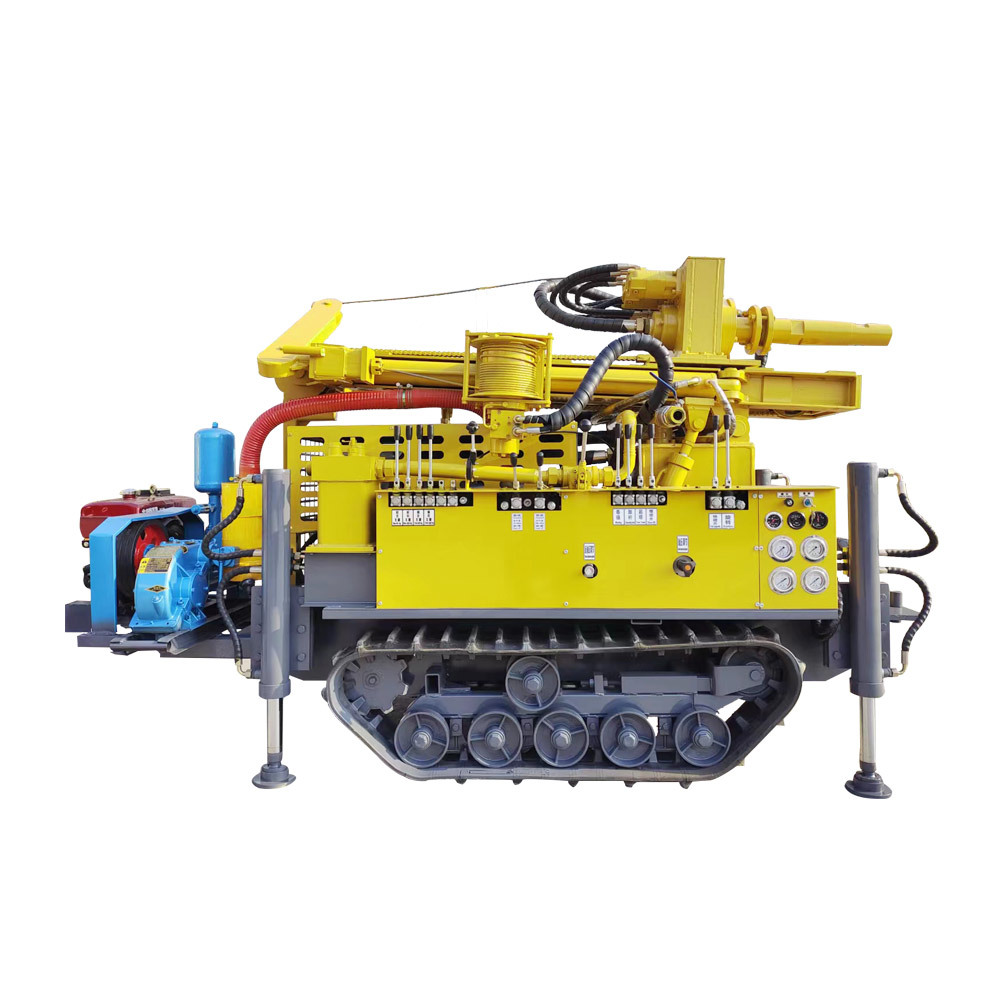
Top Features to Look for in a Geotech Drill Rig
Geotechnical drilling is a cornerstone of modern engineering and construction projects, enabling the assessment of soil and rock properties. Selecting the right geotech drill rig can significantly impact the efficiency and quality of your work. In this article, we will explore the **top features you should consider** when choosing a geotech drill rig, ensuring you make an informed decision that meets your project's needs.
Table of Contents
1. Understanding Geotech Drill Rigs
2. Essential Drilling Capabilities
3. Mobility and Transportability
4. Technological Features and Innovations
5. Safety Features to Prioritize
6. Maintenance and Serviceability
7. Cost Considerations: Budgeting for Your Drill Rig
8. FAQs About Geotech Drill Rigs
9. Conclusion
1. Understanding Geotech Drill Rigs
Geotech drill rigs are specialized machines designed for subsurface exploration and soil testing. They are vital for obtaining soil samples, assessing stability, and determining the suitability of land for construction. Understanding the fundamental aspects of geotech drill rigs helps in identifying the features that best suit your project requirements.
2. Essential Drilling Capabilities
When evaluating a geotech drill rig, the **drilling capabilities** it offers are paramount. Consider the following attributes:
2.1 Drilling Depth and Diameter
The **maximum drilling depth** and **diameter** are crucial factors. Different projects require varying depths, and a versatile rig should accommodate a range of drilling diameters to handle different soil types effectively.
2.2 Sample Acquisition Techniques
Look for rigs that offer multiple **sample acquisition techniques**, such as rotary drilling, auger drilling, or core drilling. Each technique has its advantages depending on the geological conditions encountered at the site.
2.3 Soil and Rock Type Compatibility
Ensure the drill rig is compatible with the specific **soil and rock types** you will encounter. A rig designed for soft soil may not perform well in rocky terrain, making this compatibility a critical feature.
3. Mobility and Transportability
**Mobility** is a vital feature for geotech drill rigs, especially in construction environments where site conditions are ever-changing. Consider the following elements:
3.1 Rig Size and Weight
The size and weight of a drill rig influence its transportability. A lightweight, compact rig is easier to move between sites and can navigate tighter spaces, while larger rigs may offer more stability and power.
3.2 Mobility Options
Examine the **mobility options** available, including track versus wheeled systems. Track-mounted rigs provide superior off-road capabilities, while wheeled rigs are often faster on paved surfaces.
4. Technological Features and Innovations
As technology advances, so do drill rigs. The following technological features can enhance productivity and efficiency:
4.1 Automation and Control Systems
Modern rigs often come equipped with **automation** and sophisticated control systems that simplify operation and improve precision. These systems can help reduce labor costs and increase the accuracy of drilling operations.
4.2 Data Monitoring and Reporting
Look for rigs that incorporate **data monitoring** technology, allowing for real-time assessment of drilling parameters. This feature enhances decision-making and can lead to more efficient operations.
4.3 GPS and Mapping Integration
Drill rigs with **GPS and mapping integration** can enhance site analysis by providing accurate location data and supporting planning efforts. This feature is particularly beneficial in complex projects where multiple drilling locations are involved.
5. Safety Features to Prioritize
Safety should always be a top priority when selecting any drilling equipment. The following safety features are essential in a geotech drill rig:
5.1 Stability Features
Look for rigs that incorporate **stability features**, such as outriggers or stabilizing arms, to prevent tipping during operation. Stability is critical for safe and effective drilling.
5.2 Emergency Shut-off Systems
An effective **emergency shut-off system** can quickly halt operations in case of unforeseen situations, enhancing operator safety and preventing accidents.
5.3 Protective Guards and Shields
Ensure the rig has adequate **protective guards** around moving parts and drill bits to prevent injuries. Operators should feel secure while working with the equipment.
6. Maintenance and Serviceability
Regular maintenance is crucial for the longevity of any heavy machinery. When selecting a geotech drill rig, consider the following:
6.1 Ease of Maintenance
Choose a rig that allows for **easy access** to essential components for routine maintenance. A design that simplifies maintenance tasks can reduce downtime and operational costs.
6.2 Availability of Spare Parts
Investigate the availability and cost of **spare parts**. A manufacturer that offers readily available parts can minimize disruptions caused by equipment failure.
6.3 Warranty and Support Services
A solid warranty and reliable **support services** are indicators of a quality rig. Ensure the manufacturer provides responsive customer service to address any issues that may arise.
7. Cost Considerations: Budgeting for Your Drill Rig
Budgeting for a geotech drill rig involves more than just the initial purchase price. Consider the following factors to ensure a comprehensive financial assessment:
7.1 Total Cost of Ownership
Calculate the **total cost of ownership**, which includes purchase price, maintenance costs, fuel consumption, and potential downtime. A cheaper rig may lead to higher long-term expenses.
7.2 Financing Options
Explore different **financing options** available for acquiring a drill rig. Many manufacturers offer lease-to-own or financing plans that can ease the financial burden.
7.3 Resale Value
Consider the potential **resale value** of the rig. A well-maintained rig from a reputable manufacturer will typically hold its value better, providing a better return on investment.
8. FAQs About Geotech Drill Rigs
Q1: What is a geotech drill rig used for?
A: A geotech drill rig is used for subsurface exploration, soil sampling, and testing the stability of soil and rock in construction and engineering projects.
Q2: How deep can a geotech drill rig drill?
A: The drilling depth varies by model, but many rigs can reach depths of up to 300 feet or more, depending on soil conditions and the rig's specifications.
Q3: Are geotech drill rigs suitable for rocky terrain?
A: Yes, but you must select a rig specifically designed for rocky conditions. Core drilling techniques and robust drilling equipment are typically needed for these environments.
Q4: What maintenance is required for geotech drill rigs?
A: Regular maintenance includes checking fluid levels, inspecting components for wear, cleaning filters, and ensuring that all systems are functioning correctly.
Q5: How do I choose the right geotech drill rig for my project?
A: Consider your project's specific requirements, including drilling depth, soil conditions, mobility needs, and budget, to select the appropriate rig.
9. Conclusion
Selecting the right geotech drill rig is a decision that can affect the success of your engineering and construction projects. By considering essential features such as drilling capabilities, mobility, technological advancements, and safety measures, you can make an informed choice that aligns with your project requirements. Investing time in understanding these aspects will not only enhance operational efficiency but also ensure a safer working environment. Ultimately, choosing a quality geotech drill rig is paramount for achieving accurate and reliable results in your subsurface exploration efforts.
PREVIOUS:




ONLINE MESSAGES
Add.: Industrial Park Area, Mengyin, Linyi, Shandong, China
Tel: Jean 86-15963257090
John 86-15966923349