


NEWS CENTER
Essential Insights into DTH Water Well Drilling Rigs: A Comprehensive Guide
Jun 16,2026
---
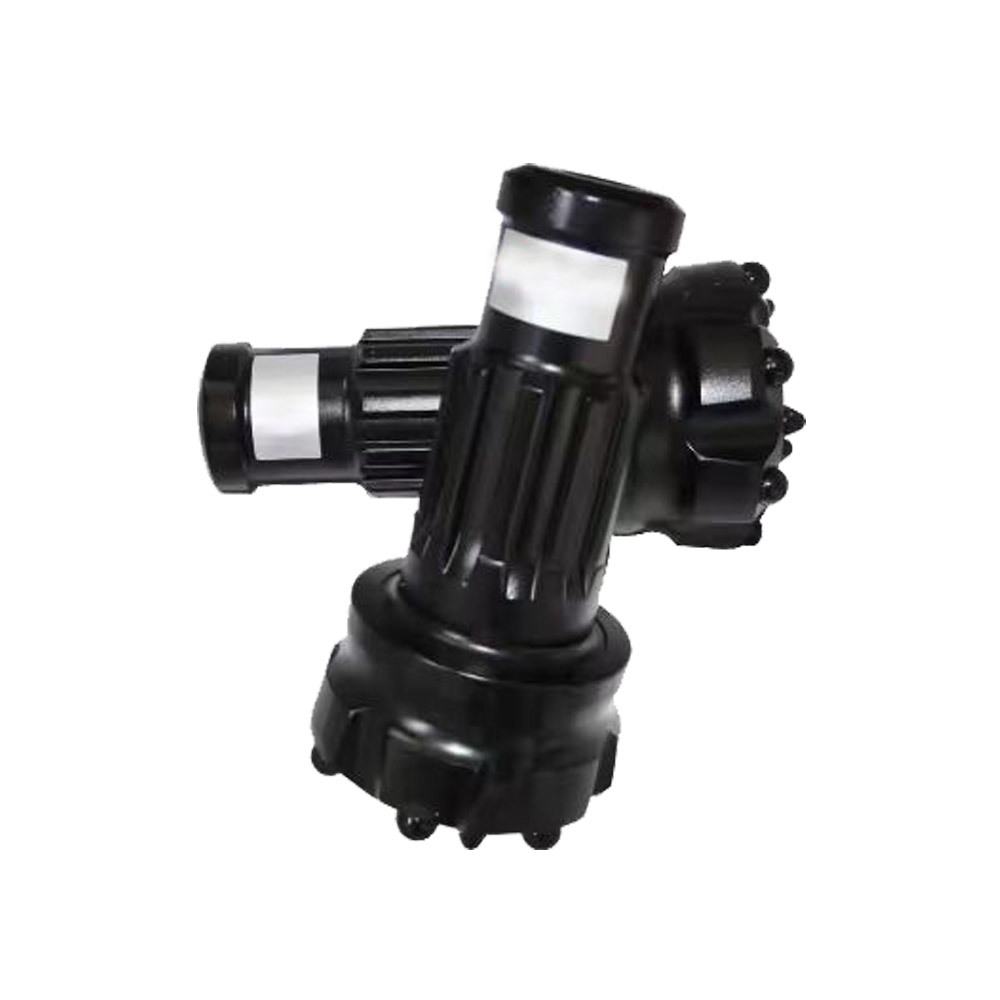
DTH (Down the Hole) water well drilling rigs are specialized machines designed for the efficient drilling of boreholes for water extraction. These rigs utilize a unique method where the drill bit is located at the end of the drill string, allowing for direct impact and enhanced drilling efficiency. This technique makes DTH rigs particularly suitable for various geological conditions, providing a reliable solution for water well drilling projects.
One of the key advantages of DTH water well drilling rigs is their capability to penetrate hard rock formations. The pneumatic hammering mechanism used in DTH drilling allows for optimal energy transfer from the rig to the drill bit, leading to faster penetration rates compared to conventional rotary drilling methods. This makes DTH rigs ideal for regions with challenging geology where traditional drilling techniques may struggle.
In addition to their effective drilling capabilities, DTH rigs are also known for their versatility. They can be equipped with various drill bits that cater to different soil and rock types, enabling operators to customize their equipment for specific project needs. Moreover, DTH rigs can be used for various applications beyond water well drilling, including geothermal drilling, mineral exploration, and construction projects.
The operation of DTH water well drilling rigs involves several critical components, including the compressor, drill string, and drilling accessories. The compressor provides the necessary air pressure to drive the pneumatic hammer, which in turn powers the drill bit. Proper maintenance of these components is essential to ensure optimal performance and longevity of the rig.
Another important aspect to consider when working with DTH water well drilling rigs is safety. Operators should be trained to recognize potential hazards and implement safety protocols to minimize risks during drilling operations. Regular inspections and maintenance of the rig are also vital to prevent mechanical failures that could lead to accidents.
In conclusion, DTH water well drilling rigs play a crucial role in the engineering and construction machinery sector, providing a robust and efficient solution for water extraction projects. Understanding their operational mechanics, advantages, and safety considerations can significantly enhance project outcomes and ensure the successful implementation of drilling operations. By leveraging the capabilities of DTH rigs, professionals in the industry can optimize their drilling processes, reduce operational costs, and achieve sustainable results in water well drilling.
DTH (Down the Hole) water well drilling rigs are specialized machines designed for the efficient drilling of boreholes for water extraction. These rigs utilize a unique method where the drill bit is located at the end of the drill string, allowing for direct impact and enhanced drilling efficiency. This technique makes DTH rigs particularly suitable for various geological conditions, providing a reliable solution for water well drilling projects.
One of the key advantages of DTH water well drilling rigs is their capability to penetrate hard rock formations. The pneumatic hammering mechanism used in DTH drilling allows for optimal energy transfer from the rig to the drill bit, leading to faster penetration rates compared to conventional rotary drilling methods. This makes DTH rigs ideal for regions with challenging geology where traditional drilling techniques may struggle.
In addition to their effective drilling capabilities, DTH rigs are also known for their versatility. They can be equipped with various drill bits that cater to different soil and rock types, enabling operators to customize their equipment for specific project needs. Moreover, DTH rigs can be used for various applications beyond water well drilling, including geothermal drilling, mineral exploration, and construction projects.
The operation of DTH water well drilling rigs involves several critical components, including the compressor, drill string, and drilling accessories. The compressor provides the necessary air pressure to drive the pneumatic hammer, which in turn powers the drill bit. Proper maintenance of these components is essential to ensure optimal performance and longevity of the rig.
Another important aspect to consider when working with DTH water well drilling rigs is safety. Operators should be trained to recognize potential hazards and implement safety protocols to minimize risks during drilling operations. Regular inspections and maintenance of the rig are also vital to prevent mechanical failures that could lead to accidents.
In conclusion, DTH water well drilling rigs play a crucial role in the engineering and construction machinery sector, providing a robust and efficient solution for water extraction projects. Understanding their operational mechanics, advantages, and safety considerations can significantly enhance project outcomes and ensure the successful implementation of drilling operations. By leveraging the capabilities of DTH rigs, professionals in the industry can optimize their drilling processes, reduce operational costs, and achieve sustainable results in water well drilling.
PREVIOUS:




ONLINE MESSAGES
Add.: Industrial Park Area, Mengyin, Linyi, Shandong, China
Tel: Jean 86-15963257090
John 86-15966923349