


NEWS CENTER
Unveiling the Importance of Exploration Drill Rigs in Engineering and Construction
Jun 28,2026
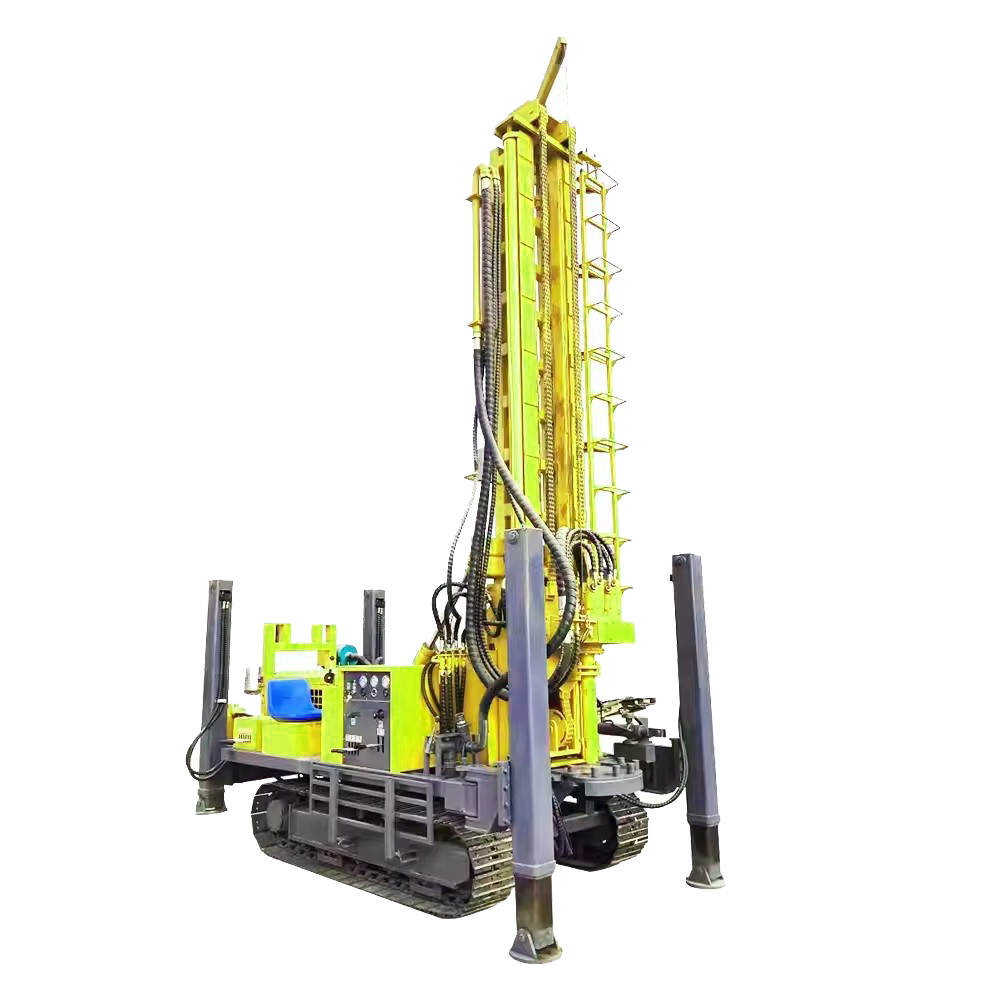
Exploration drill rigs are essential machines used in various industries, particularly in engineering and construction. These heavy-duty rigs play a pivotal role in the initial stages of projects, especially in mineral exploration, geological surveys, and civil engineering applications. Understanding their functionality and significance can help professionals make informed decisions when selecting equipment for their projects.
At the core of an exploration drill rig's operation is its ability to penetrate the earth's surface to collect samples, test soil conditions, and assess subsurface resources. This process is crucial for determining the feasibility of construction projects, as it provides vital information about the geological composition of the site. By drilling boreholes, engineers and geologists can gather data on soil stability, rock formations, and the presence of groundwater, all of which influence design and construction methods.
Modern exploration drill rigs are equipped with advanced technologies that enhance their efficiency and precision. For instance, many rigs now feature automated systems for drilling and sampling, reducing the need for manual labor and increasing safety on site. Additionally, real-time data collection capabilities allow operators to monitor drilling conditions and adjust parameters instantly, leading to quicker and more accurate results.
Moreover, exploration drill rigs come in various types, each designed for specific applications. For instance, rotary drill rigs are ideal for hard rock formations, while auger rigs are better suited for softer soils. Understanding the different types of rigs available can help project managers select the most appropriate equipment for their specific needs, ensuring optimal performance and safety.
The environmental impact of drilling operations is also an important consideration. Many modern exploration drill rigs are designed with sustainability in mind, incorporating features such as reduced emissions and noise-reduction technology. These advancements not only help in complying with environmental regulations but also contribute to the overall safety and acceptability of drilling activities in urban and sensitive areas.
In conclusion, exploration drill rigs are invaluable tools in the engineering and construction industries, providing essential data that drives project success. Their advanced technologies, variety of types, and commitment to environmental sustainability make them indispensable for site evaluation and preparation. By leveraging the capabilities of exploration drill rigs, professionals can enhance their project's efficiency, reduce risks, and ensure informed decision-making throughout the construction process.
At the core of an exploration drill rig's operation is its ability to penetrate the earth's surface to collect samples, test soil conditions, and assess subsurface resources. This process is crucial for determining the feasibility of construction projects, as it provides vital information about the geological composition of the site. By drilling boreholes, engineers and geologists can gather data on soil stability, rock formations, and the presence of groundwater, all of which influence design and construction methods.
Modern exploration drill rigs are equipped with advanced technologies that enhance their efficiency and precision. For instance, many rigs now feature automated systems for drilling and sampling, reducing the need for manual labor and increasing safety on site. Additionally, real-time data collection capabilities allow operators to monitor drilling conditions and adjust parameters instantly, leading to quicker and more accurate results.
Moreover, exploration drill rigs come in various types, each designed for specific applications. For instance, rotary drill rigs are ideal for hard rock formations, while auger rigs are better suited for softer soils. Understanding the different types of rigs available can help project managers select the most appropriate equipment for their specific needs, ensuring optimal performance and safety.
The environmental impact of drilling operations is also an important consideration. Many modern exploration drill rigs are designed with sustainability in mind, incorporating features such as reduced emissions and noise-reduction technology. These advancements not only help in complying with environmental regulations but also contribute to the overall safety and acceptability of drilling activities in urban and sensitive areas.
In conclusion, exploration drill rigs are invaluable tools in the engineering and construction industries, providing essential data that drives project success. Their advanced technologies, variety of types, and commitment to environmental sustainability make them indispensable for site evaluation and preparation. By leveraging the capabilities of exploration drill rigs, professionals can enhance their project's efficiency, reduce risks, and ensure informed decision-making throughout the construction process.
PREVIOUS:




ONLINE MESSAGES
Add.: Industrial Park Area, Mengyin, Linyi, Shandong, China
Tel: Jean 86-15963257090
John 86-15966923349