


NEWS CENTER
Understanding Borehole Drilling Machines: Essential Tools for Engineering and Construction
Apr 05,2026
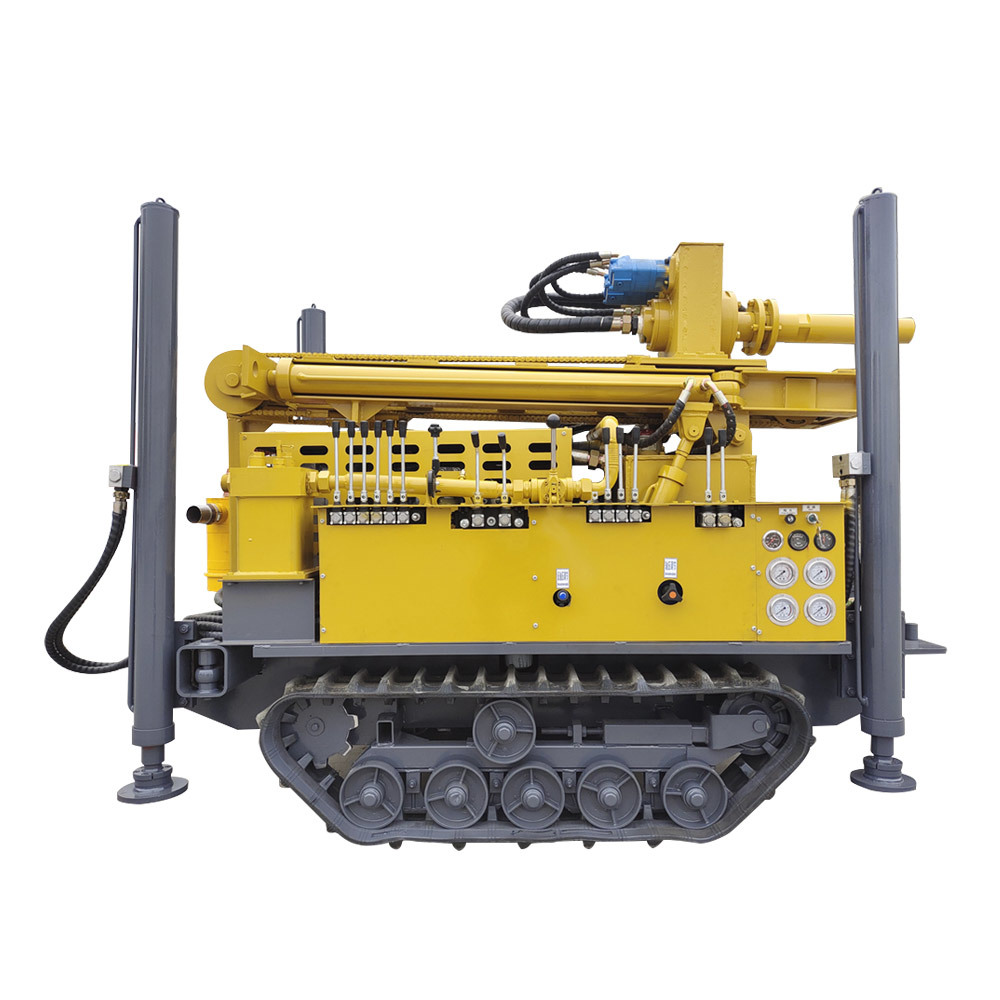
Borehole drilling machines are specialized equipment designed to create deep holes in the ground for various purposes, including the extraction of groundwater, installation of geothermal heating systems, and conducting geological surveys. These machines employ different drilling techniques to penetrate various soil and rock formations, making them indispensable in the fields of engineering and construction.
The primary types of borehole drilling machines include rotary drilling rigs, percussion drilling rigs, and auger drilling machines. Each type operates on distinct principles and is suited for specific applications. Rotary drilling rigs utilize a rotating drill bit to cut through the earth, making them effective for drilling deep and wide boreholes. In contrast, percussion drilling rigs use a hammering action to break through hard rock, making them ideal for challenging geological conditions. Auger drilling machines, on the other hand, are best suited for softer soils and are often used for environmental studies and shallow well drilling.
One of the key advantages of borehole drilling machines is their versatility. They can be equipped with various drill bits and accessories to adapt to different drilling conditions and depths. This adaptability enables engineers and contractors to efficiently manage projects, whether they involve water supply, mineral extraction, or construction site preparation. Moreover, modern borehole drilling machines are often equipped with advanced technologies such as GPS systems and automated controls, enhancing precision and efficiency.
Furthermore, the selection of a borehole drilling machine should consider factors such as the geological conditions of the drilling site, the intended depth of the borehole, and the type of material being drilled. For instance, softer soils may require different drilling techniques compared to rocky terrains. Understanding these variables is crucial for professionals who aim to optimize their drilling operations and ensure project success.
In conclusion, borehole drilling machines are vital tools in the engineering and construction sectors. Their ability to efficiently create deep and precise holes makes them integral to a wide range of applications, from water well drilling to mineral exploration. By understanding the various types and capabilities of these machines, industry professionals can make informed decisions that enhance project efficiency and outcomes.
The primary types of borehole drilling machines include rotary drilling rigs, percussion drilling rigs, and auger drilling machines. Each type operates on distinct principles and is suited for specific applications. Rotary drilling rigs utilize a rotating drill bit to cut through the earth, making them effective for drilling deep and wide boreholes. In contrast, percussion drilling rigs use a hammering action to break through hard rock, making them ideal for challenging geological conditions. Auger drilling machines, on the other hand, are best suited for softer soils and are often used for environmental studies and shallow well drilling.
One of the key advantages of borehole drilling machines is their versatility. They can be equipped with various drill bits and accessories to adapt to different drilling conditions and depths. This adaptability enables engineers and contractors to efficiently manage projects, whether they involve water supply, mineral extraction, or construction site preparation. Moreover, modern borehole drilling machines are often equipped with advanced technologies such as GPS systems and automated controls, enhancing precision and efficiency.
Furthermore, the selection of a borehole drilling machine should consider factors such as the geological conditions of the drilling site, the intended depth of the borehole, and the type of material being drilled. For instance, softer soils may require different drilling techniques compared to rocky terrains. Understanding these variables is crucial for professionals who aim to optimize their drilling operations and ensure project success.
In conclusion, borehole drilling machines are vital tools in the engineering and construction sectors. Their ability to efficiently create deep and precise holes makes them integral to a wide range of applications, from water well drilling to mineral exploration. By understanding the various types and capabilities of these machines, industry professionals can make informed decisions that enhance project efficiency and outcomes.




ONLINE MESSAGES
Add.: Industrial Park Area, Mengyin, Linyi, Shandong, China
Tel: Jean 86-15963257090
John 86-15966923349