


NEWS CENTER
Understanding Borehole Drilling Machines: Essential Insights for Optimal Performance
Jul 04,2026
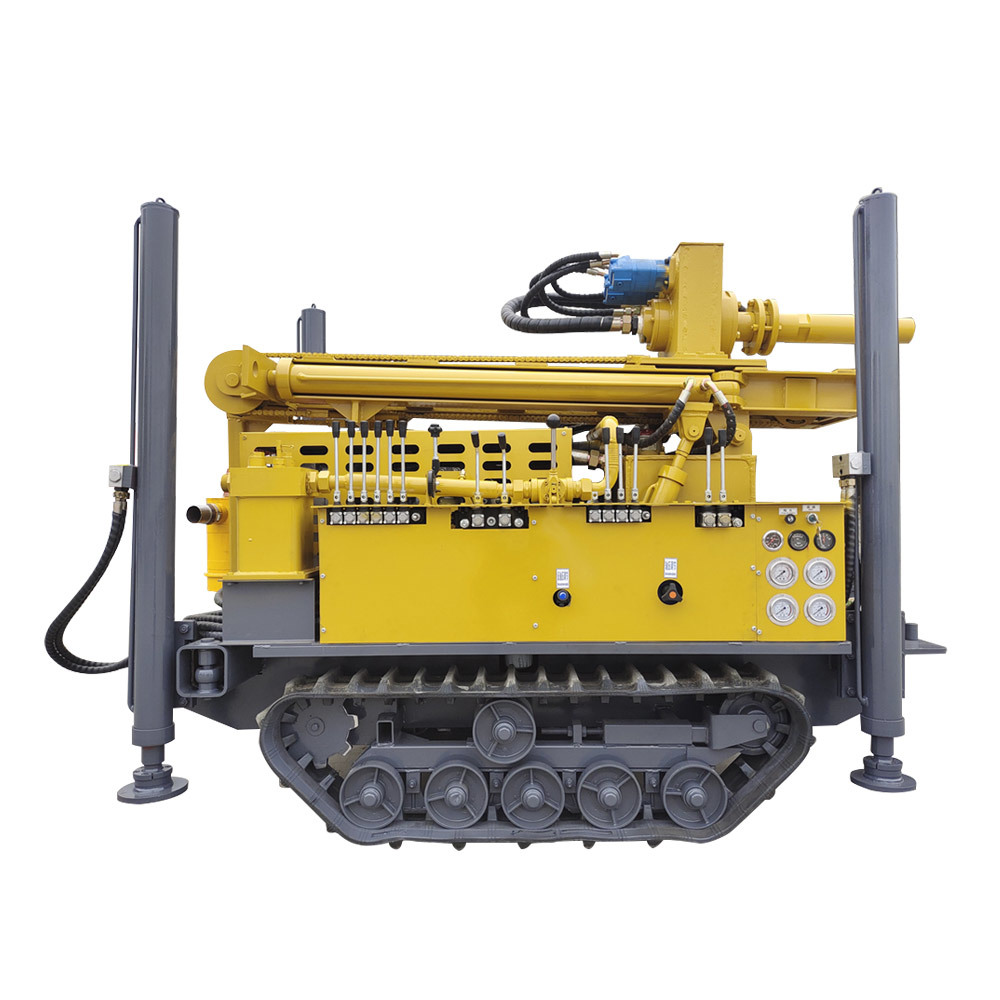
Borehole drilling machines are specialized equipment designed to create deep holes in the ground for various purposes, such as groundwater extraction, geological surveys, and infrastructure development. These machines play a critical role in industries that require precise and efficient drilling capabilities. Understanding how they work and the factors that influence their performance is essential for those involved in engineering and construction projects.
The primary function of a borehole drilling machine is to penetrate the earth's surface to access underground resources. The machines utilize various drilling techniques, including rotary drilling, percussion drilling, and auger drilling. Each method has its advantages, depending on the geological conditions and the specific requirements of the project.
Rotary drilling is one of the most common techniques used with borehole drilling machines. It involves the use of a rotating drill bit that grinds through the soil and rock layers. This method is particularly effective for drilling deep and narrow holes, making it ideal for water wells and mineral exploration. The use of drilling mud helps to cool the bit and transport the cuttings to the surface, enhancing the efficiency of the process.
Percussion drilling, on the other hand, utilizes a hammering technique to break up the ground. This method is well-suited for harder materials like rock and is often used in mining applications. The ability to switch between different drilling methods allows operators to adapt to various geological conditions, maximizing efficiency and minimizing downtime.
When selecting a borehole drilling machine, several technical specifications should be considered. The size and weight of the machine, the type of drill bit, and the depth capacity are crucial factors that can impact the machine's performance. Additionally, the power source—whether diesel or electric—can affect the machine's mobility and operational efficiency, especially in remote locations.
Another important consideration is the safety features of the borehole drilling machine. Ensuring that the machine is equipped with proper safety mechanisms, such as automatic shut-off systems and emergency stop buttons, is essential for protecting operators and minimizing accidents.
Regular maintenance is also crucial for the longevity and optimal performance of borehole drilling machines. Routine checks and servicing can prevent breakdowns and ensure that the machinery operates efficiently, reducing project delays and costs.
In conclusion, borehole drilling machines are indispensable in the construction and engineering sectors. By understanding their operational principles, various drilling techniques, and essential maintenance practices, operators can ensure effective and safe drilling processes. As technology advances, staying informed about the latest developments in borehole drilling machinery will enhance project outcomes and contribute to the seamless execution of engineering and construction projects.
The primary function of a borehole drilling machine is to penetrate the earth's surface to access underground resources. The machines utilize various drilling techniques, including rotary drilling, percussion drilling, and auger drilling. Each method has its advantages, depending on the geological conditions and the specific requirements of the project.
Rotary drilling is one of the most common techniques used with borehole drilling machines. It involves the use of a rotating drill bit that grinds through the soil and rock layers. This method is particularly effective for drilling deep and narrow holes, making it ideal for water wells and mineral exploration. The use of drilling mud helps to cool the bit and transport the cuttings to the surface, enhancing the efficiency of the process.
Percussion drilling, on the other hand, utilizes a hammering technique to break up the ground. This method is well-suited for harder materials like rock and is often used in mining applications. The ability to switch between different drilling methods allows operators to adapt to various geological conditions, maximizing efficiency and minimizing downtime.
When selecting a borehole drilling machine, several technical specifications should be considered. The size and weight of the machine, the type of drill bit, and the depth capacity are crucial factors that can impact the machine's performance. Additionally, the power source—whether diesel or electric—can affect the machine's mobility and operational efficiency, especially in remote locations.
Another important consideration is the safety features of the borehole drilling machine. Ensuring that the machine is equipped with proper safety mechanisms, such as automatic shut-off systems and emergency stop buttons, is essential for protecting operators and minimizing accidents.
Regular maintenance is also crucial for the longevity and optimal performance of borehole drilling machines. Routine checks and servicing can prevent breakdowns and ensure that the machinery operates efficiently, reducing project delays and costs.
In conclusion, borehole drilling machines are indispensable in the construction and engineering sectors. By understanding their operational principles, various drilling techniques, and essential maintenance practices, operators can ensure effective and safe drilling processes. As technology advances, staying informed about the latest developments in borehole drilling machinery will enhance project outcomes and contribute to the seamless execution of engineering and construction projects.
PREVIOUS:




ONLINE MESSAGES
Add.: Industrial Park Area, Mengyin, Linyi, Shandong, China
Tel: Jean 86-15963257090
John 86-15966923349