


NEWS CENTER
From Concept to Creation: The Comprehensive Manufacturing Process of Crawler Water Well Drilling Rigs
Jul 01,2026
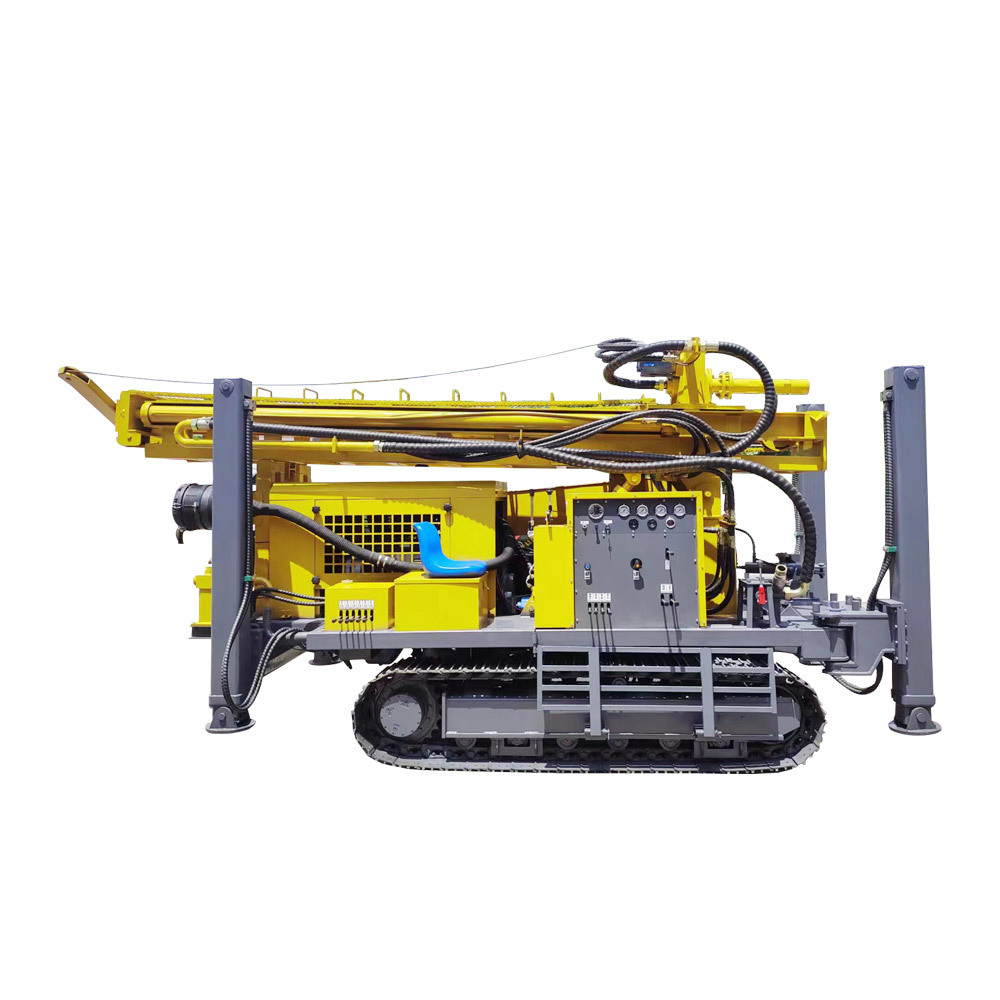
From Concept to Creation: The Comprehensive Manufacturing Process of Crawler Water Well Drilling Rigs
Table of Contents
- Introduction to Crawler Water Well Drilling Rigs
- The Concept Phase: Ideation and Design
- Material Selection: Choosing the Right Components
- Engineering Design: Turning Ideas into Blueprints
- The Manufacturing Process: Steps to Creation
- Quality Control: Ensuring Excellence
- Assembly and Testing: Finalizing the Rig
- Innovative Technologies in Drilling Rig Production
- Conclusion: The Future of Crawler Water Well Drilling Rigs
- FAQs About Crawler Water Well Drilling Rigs
Introduction to Crawler Water Well Drilling Rigs
The demand for reliable and efficient water well drilling rigs has surged due to the ongoing global water crisis. Crawler water well drilling rigs are pivotal in providing access to groundwater. Designed for versatility and robustness, these machines are engineered to navigate diverse terrains, making them indispensable for construction projects, agricultural needs, and environmental studies.
In this article, we will take you through the comprehensive manufacturing process of crawler water well drilling rigs, showcasing the journey from concept to creation.
The Concept Phase: Ideation and Design
The journey of manufacturing a crawler water well drilling rig begins with the **concept phase**. During this stage, engineers and designers collaborate to identify specific requirements based on market needs, technological advancements, and customer feedback.
### h3>Identifying Market Needs
Understanding the target audience is crucial. Manufacturers conduct extensive market research to ascertain the preferences and challenges faced by potential users, such as contractors and environmental agencies. This research influences the design and capabilities of the drilling rig.
### h3>Brainstorming and Ideation
Once the requirements are established, brainstorming sessions commence. Innovative ideas are proposed, focusing on improving efficiency, reducing costs, and enhancing user experience. Here, creativity meets practicality, setting the stage for design development.
Material Selection: Choosing the Right Components
Selecting the right materials is a critical step in the manufacturing process of crawler water well drilling rigs. The durability and performance of the rigs largely depend on the quality of materials used.
### h3>Durability and Strength
Manufacturers typically choose high-strength steel and alloy materials for the rig's frame and mast. These materials ensure that the rig can withstand harsh drilling conditions, including rocky terrains and variable soil compositions.
### h3>Weight Considerations
Material selection also considers weight. The rig must be lightweight enough to allow for mobility while remaining robust enough to handle drilling forces. This balance is key to successful performance in the field.
Engineering Design: Turning Ideas into Blueprints
The engineering design phase involves transforming initial concepts into detailed blueprints that guide the manufacturing process.
### h3>3D Modeling and CAD Technology
Modern engineering relies heavily on **Computer-Aided Design (CAD)** software, enabling designers to create intricate 3D models of the drilling rig. This technology facilitates precise measurements, allowing engineers to visualize the product before it is built.
### h3>Prototype Development
After finalizing the design, a prototype is constructed. This model is essential for testing functionality and making necessary adjustments. Engineers assess the prototype’s performance under various conditions, ensuring it meets the design specifications.
The Manufacturing Process: Steps to Creation
The manufacturing process encompasses various stages, each vital for producing a high-quality crawler water well drilling rig.
### h3>Fabrication
Fabrication involves cutting, bending, and assembling different components of the drilling rig. Advanced machinery is utilized to ensure precision in every part. This stage also includes welding and joining materials to form the rig’s structure.
### h3>Machining
Machining processes, such as drilling and milling, create the necessary features in the rig’s components. This step is crucial in achieving accuracy, particularly for parts that must fit together seamlessly.
### h3>Painting and Coating
Once assembled, the rig undergoes painting and coating to protect it from corrosion and environmental damage. This step not only enhances durability but also improves aesthetic appeal.
Quality Control: Ensuring Excellence
Quality control is an ongoing process throughout the manufacturing of crawler water well drilling rigs. Each component is rigorously tested to meet industry standards and specifications.
### h3>Testing Components
Every individual part, from hydraulic systems to electronic components, undergoes thorough testing. This ensures that they operate correctly and adhere to safety regulations.
### h3>Final Inspection
Before the rig is shipped to customers, a final inspection is conducted. This comprehensive review examines overall functionality, safety features, and adherence to design specifications.
Assembly and Testing: Finalizing the Rig
The assembly phase brings together all components to create the complete crawler water well drilling rig.
### h3>Final Assembly
During final assembly, technicians carefully integrate all parts, ensuring everything is fitted correctly. This phase often requires specialized tools and equipment to maintain precision.
### h3>Operational Testing
Once assembled, the rig undergoes operational testing. Engineers simulate real-world drilling conditions to assess its performance. This testing phase is crucial for identifying and rectifying any issues before the rig is delivered to customers.
Innovative Technologies in Drilling Rig Production
The manufacturing landscape for crawler water well drilling rigs is continuously evolving. Recent innovations enhance performance, efficiency, and safety.
### h3>Automation and Robotics
The integration of automation and robotics in manufacturing processes has revolutionized production. Automated systems increase precision, reduce human error, and enhance production speed.
### h3>Smart Technology Integration
Modern drilling rigs incorporate smart technologies, such as IoT sensors and data analytics. This enables real-time monitoring of rig performance, helping operators make informed decisions and optimize drilling operations.
Conclusion: The Future of Crawler Water Well Drilling Rigs
The manufacturing process of crawler water well drilling rigs is a complex and meticulous journey that transforms concepts into functional machines. As demands for efficient water solutions continue to rise, manufacturers must innovate and adapt to meet these challenges.
Through careful planning, advanced engineering, and stringent quality control, the industry is poised to deliver cutting-edge drilling rigs that not only perform well but also adhere to sustainability practices. Looking to the future, the continued evolution of technology will undoubtedly further enhance the capabilities and efficiency of crawler water well drilling rigs.
FAQs About Crawler Water Well Drilling Rigs
1. What is a crawler water well drilling rig used for?
Crawler water well drilling rigs are primarily used to access groundwater for various applications, such as agriculture, construction, and environmental studies.
2. How deep can crawler water well drilling rigs drill?
The drilling depth of crawler rigs varies depending on the model but can reach depths of over 1,000 feet.
3. What are the advantages of crawler water well drilling rigs over other types?
Crawler rigs offer enhanced mobility, versatility for varied terrains, and typically have greater stability and power for deep drilling.
4. How long does the manufacturing process take?
The manufacturing process for crawler water well drilling rigs can vary but typically spans several weeks to months, depending on the complexity of the design and customization requirements.
5. What maintenance is required for crawler water well drilling rigs?
Regular maintenance includes routine inspections, lubrication of moving parts, and checking hydraulic systems to ensure optimal performance and longevity.
PREVIOUS:




ONLINE MESSAGES
Add.: Industrial Park Area, Mengyin, Linyi, Shandong, China
Tel: Jean 86-15963257090
John 86-15966923349